


 русский
 عربى
عربى
80T/125T Fully Automatic Hot Forging All-In-One Machine
This equipment has an exquisite appearance and is highly integrated: it integrates feeding, heating,...
View MoreUnexpected pauses during a production run can be costly, especially when working with complex systems like Fully Automatic Forging Machines and related Hot Metal Forging Equipment. Understanding why these interruptions occur is essential for manufacturers and plant engineers who need consistent output and minimal downtime. Taizhou Huanlian Technology Co., Ltd. has seen countless cases where root causes were traced back to issues that could have been prevented.
Modern Fully Automatic Forging Machines depend on numerous sensors — temperature sensors, position detectors, pressure transducers — to communicate system status to the central control unit. A fault in any of these components may trigger an emergency stop.
Solution Tip: Regularly inspect sensor wiring harnesses and use protective shielding in high debris areas.
Unexpected machine halts often originate from the forging press itself — especially if hydraulic or pneumatic power delivery is inconsistent.
A pressure variation of just ±10 bar in hydraulic systems may cause control logic to interpret an unsafe condition, halting operations until reset.
Hot Metal Forging Equipment operates in severe thermal conditions. Excessive heat not only affects the workpiece but also stresses mechanical and electrical components.
Points to consider:
Control cabinet temperatures rising above safe thresholds initiate automatic shutdowns to protect circuitry.
Motor winding protections in servo units react when temperatures exceed rated limits.
Manufacturers like Taizhou Huanlian Technology Co., Ltd. increasingly integrate dedicated cooling loops and heat-dissipating barriers to keep ambient conditions safe for long cycles.
Programmable Logic Controllers (PLCs) sit at the core of automatic forging lines. Software glitches, corrupted memory, or outdated ladder logic can cause unexpected stoppages.
Common scenarios include:
Regular updates and periodic revalidation of control logic sequences help reduce these risks.
Fully Automated Forging Machines often integrate robotic arms, conveyors, load/unload stations, and feeders. Any interruption in material flow can halt the entire line.
Examples:
Automated vision systems and force-feedback grippers have become standard ways to ensure more reliable handling.
Industrial forging systems draw substantial power. Inconsistent voltages, spikes, or phase imbalance can trigger protective circuits and cut power to avoid damage.
Key electrical concerns:
Installing Uninterruptible Power Supplies (UPS) and surge filters can enhance uptime and prevent stray electrical events from stopping production.
Continuous operation without proper preventive maintenance accelerates wear on critical components:
Accumulated wear alters force profiles and clearances, eventually triggering mechanical interlocks that stop the system to avoid catastrophic failure.
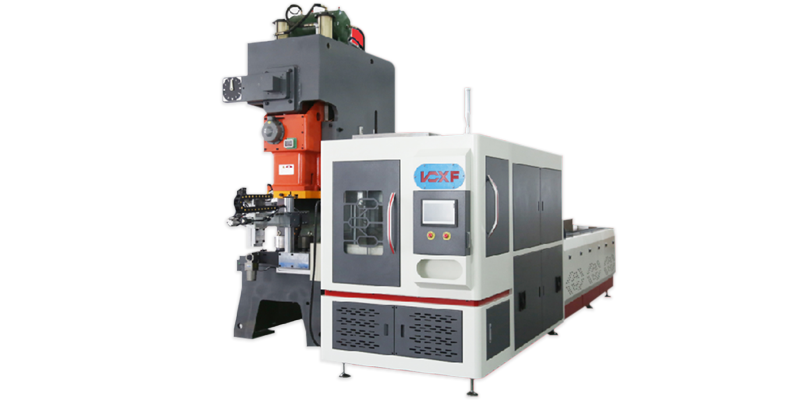
This equipment has an exquisite appearance and is highly integrated: it integrates feeding, heating,...
View More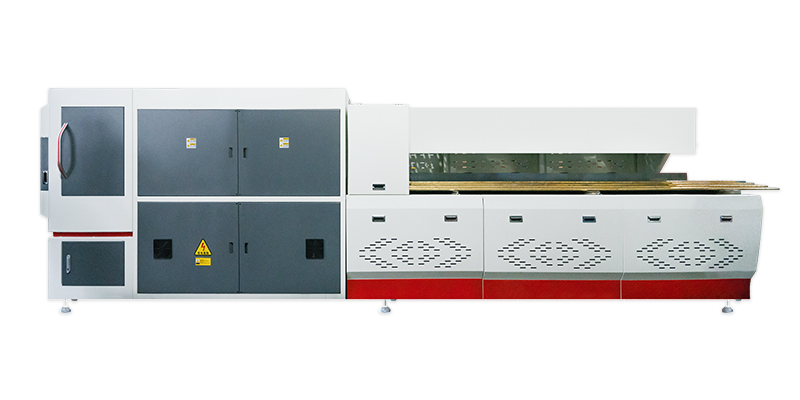
This equipment has an exquisite appearance and is highly integrated: it integrates feeding, heating,...
View MoreCopyright © Taizhou Huanlian Technology Co., Ltd. Rights Reserved.
Sale Hot Forging Machine Factory

