


 русский
 عربى
عربى
80T/125T Fully Automatic Hot Forging All-In-One Machine
This equipment has an exquisite appearance and is highly integrated: it integrates feeding, heating,...
View MoreHigh-temperature operations in hot forging present unique challenges on the shop floor and in factory design. When working with Hot Metal Forging Equipment, components frequently reach temperatures exceeding 950 °C, requiring sophisticated handling and safety infrastructure. Fully Automatic Forging Machines must not only shape metal at these high temperatures but also protect both personnel and machinery from heat-related risks. Successful management of these conditions involves a combination of engineering controls, material science, and smart operational procedures.
Understanding the Nature of Extreme Heat in Forging
Hot forging typically involves heating the workpiece to temperatures above 0.4 to 0.6 times the material’s melting point to reduce flow stress and improve ductility. For steels, this generally means reaching about 1000–1250 °C before deformation. This heat improves workability but increases the risk of surface oxidation, thermal gradients, and tool stress due to uneven temperature distribution.
Control of these thermal conditions is fundamental to both safety and the quality of the final forged part.
Heat-Resistant Materials and Tooling
One of the primary ways hot forging operations manage high temperature is through materials engineered for durability at elevated heat. Dies, presses, and robotic components are typically constructed from tool steels that retain strength under thermal cycling.
Key approaches include:
Advanced Alloys: Special tool steels combined with elements like chromium and molybdenum enhance high-temperature strength and heat resistance.
Surface Treatments: Processes such as nitriding or thermal barrier coatings can reduce oxidation and wear on Hot Metal Forging Equipment components.
These material strategies improve the longevity of tooling and reduce the risk of failure due to thermal shock.
Temperature Control and Monitoring
Precise and reliable temperature measurement is essential to prevent overheating and structural problems during forging. Sensors such as thermocouples and pyrometers are used to monitor both billet and die temperatures.
Challenges to consider:
Thermal Gradients — Uneven heating across a billet can create internal stress and crack initiation.
Sensor Accuracy — High ambient heat can affect optical readings, causing errors unless devices are calibrated and shielded appropriately.
Best practice is to incorporate multi-point measurement systems and to cross-validate readings with thermal imaging when possible.
Cooling Techniques and Heat Management
Thermal control extends to active cooling solutions. Even in high-heat environments, targeted cooling of machine elements helps balance heat flow:
Integrated Cooling Circuits: Certain Fully Automatic Forging Machines use internal cooling within the press frame or die assemblies to maintain temperature equilibrium.
Auxiliary Heat Shields and Insulation: Shields or insulation on machine surfaces reduce radiant heat exposure to operators and sensitive electronics.
These cooling measures not only protect equipment but also make the workplace safer for staff.
Automation Reduces Direct Heat Exposure
A major advantage of automation in hot forging is minimizing human contact with high-heat areas. Systems including robotic loaders and manipulators handle more of the material movement near furnaces and presses. This significantly reduces risks from radiant heat and direct contact with hot billets.
Robotic arms can be designed with:
Heat-resistant joints and cabling,
Protective shielding,
Automated fail-safe stops in cases of excess thermal spike.
Real-time monitoring integrated into automated systems enables rapid response to abnormal temperature conditions without human intervention.
Workplace Safety Protocols
Engineering controls work hand-in-hand with safety protocols to protect workers. Training programs geared toward high heat operations emphasize:
Appropriate Personal Protective Equipment (PPE) including heat-resistant gloves, face shields, and aprons.
Clear safety procedures around heating stations and guarded robot paths.
Floor cleanliness and slip avoidance to reduce risks from contaminants like scale, oil, or scrap metal.
Organizations such as Taizhou Huanlian Technology Co., Ltd. advocate structured safety training for all staff involved in operating and maintaining Hot Metal Forging Equipment.
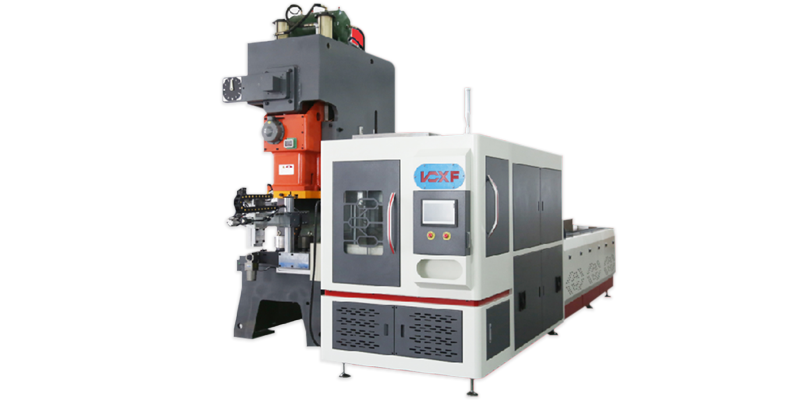
This equipment has an exquisite appearance and is highly integrated: it integrates feeding, heating,...
View More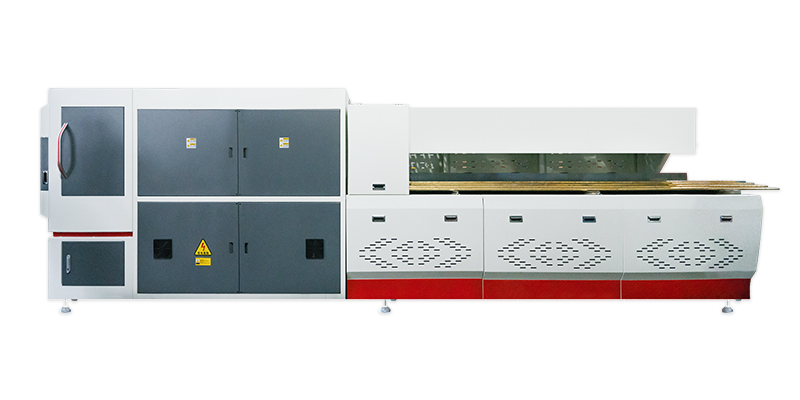
This equipment has an exquisite appearance and is highly integrated: it integrates feeding, heating,...
View MoreCopyright © Taizhou Huanlian Technology Co., Ltd. Rights Reserved.
Sale Hot Forging Machine Factory

