


 русский
 عربى
عربى
80T/125T Fully Automatic Hot Forging All-In-One Machine
This equipment has an exquisite appearance and is highly integrated: it integrates feeding, heating,...
View MoreBrass alloys are widely used in valves, plumbing fittings, electrical parts, and mechanical components because of their corrosion resistance and machinability. Yet manufacturers often notice that the same settings on Brass Hot Forging Equipment do not always produce consistent results. Differences in alloy composition frequently influence how the metal behaves during deformation, making alloy selection an important factor in designing or running a Brass Hot Forging Production Line.
Across industry discussions and technical guides, engineers frequently question whether process issues originate from equipment settings or from the brass alloy itself. The answer often involves a combination of both factors, especially because brass includes multiple copper-zinc compositions and may also contain small amounts of lead, iron, or other elements that affect forging behavior.
Alloy Composition Influences Forgeability
Brass is not a single material. It is a family of copper-zinc alloys whose composition can vary significantly. Typical forging grades may contain around 56–61% copper with zinc as the main balance element, while small additions of iron are sometimes introduced to improve machinability or mechanical properties.
These composition differences influence several forging characteristics:
Plasticity during hot forming
Heating brass improves ductility and allows the metal to flow into complex die cavities.
Resistance to deformation
Some alloys require higher forging pressure because their structure becomes harder under compression.
Crack sensitivity
Certain alloys are more likely to develop micro-cracks or brittle behavior during deformation.
Operators working with different brass grades may therefore need to adjust heating temperatures, deformation rates, and die lubrication to maintain stable production.
Temperature Windows Change with Alloy Type
Temperature management is one of the more important parameters in hot forging. Brass alloys have a relatively narrow working range, and the acceptable forging temperature may shift depending on the exact alloy composition.
Typical hot forging temperatures for brass are approximately 650 °C to 900 °C, which allows the material to reach a plastic state suitable for shaping.
However, certain alloys require tighter control. For example:
HPb59-1 brass is often forged around 680–750 °C to avoid brittleness.
Excessively low temperatures can increase deformation resistance and cause cracks.
Overheating may cause oxidation or grain growth that weakens the final product.
This means that a production line processing several alloy types must often change temperature parameters to maintain stable results.
Alloy Segregation and Hot Brittleness
Another topic frequently discussed among forging engineers involves element segregation inside brass alloys. Certain elements may concentrate along grain boundaries during heating.
Research on brass components shows that segregation of elements can weaken grain boundaries. Under forging stress and cooling tension, these weakened regions may form intergranular cracks.
Such cracking may not originate from the forging press or die design alone. Instead, it may be influenced by metallurgical factors related to the alloy composition and thermal history of the billet.
To reduce this risk, manufacturers often focus on:
Raw material consistency
Controlled heating duration
Appropriate cooling rates
Careful control of deformation speed
These measures help prevent the formation and propagation of cracks during the forging cycle.
Process Adjustments for Mixed Alloy Production
Factories operating a Brass Hot Forging Production Line that handles multiple alloy grades typically adopt several process adjustments:
1. Material identification before forging
Accurate identification of brass grades helps engineers select suitable temperature ranges and forging loads.
2. Heating profile optimization
Different alloys may require different heating durations or furnace temperatures to reach the correct forging condition.
3. Die design compatibility
Die geometry should accommodate the flow characteristics of the specific alloy being processed.
4. Process monitoring
Thermocouples, infrared sensors, and real-time monitoring systems can help maintain stable process conditions.
These steps help reduce variability in part quality while improving efficiency across the production line.
Equipment and Process Integration
Modern forging plants increasingly combine material knowledge with improved equipment design. Manufacturers such as Taizhou Huanlian Technology Co., Ltd. continue to develop forging systems that allow more precise control of heating and deformation stages within industrial forging lines.
Advanced Brass Hot Forging Equipment can include:
temperature monitoring systems
programmable forging cycles
automated billet handling
die lubrication control
Integrating these capabilities into a complete production line can help manufacturers manage the differences between brass alloys more effectively.
Understanding Alloy Differences Improves Production Stability
Successful brass forging depends on more than equipment capacity. Alloy composition, heating conditions, and process parameters all interact to determine how a billet behaves under pressure.
A deeper understanding of these variables allows manufacturers to optimize both their Brass Hot Forging Production Line and the equipment used throughout the process. Adjusting parameters based on alloy characteristics helps reduce defects, improve dimensional consistency, and maintain reliable forging performance.
Recognizing that alloy selection influences forging outcomes is an important step toward achieving stable and predictable production in modern brass forging operations.
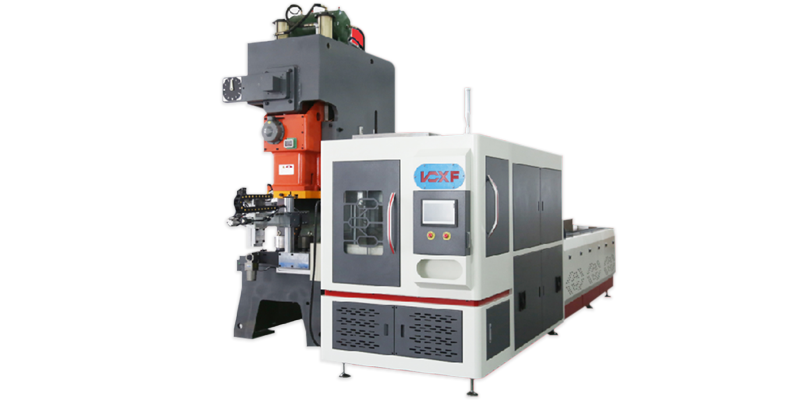
This equipment has an exquisite appearance and is highly integrated: it integrates feeding, heating,...
View More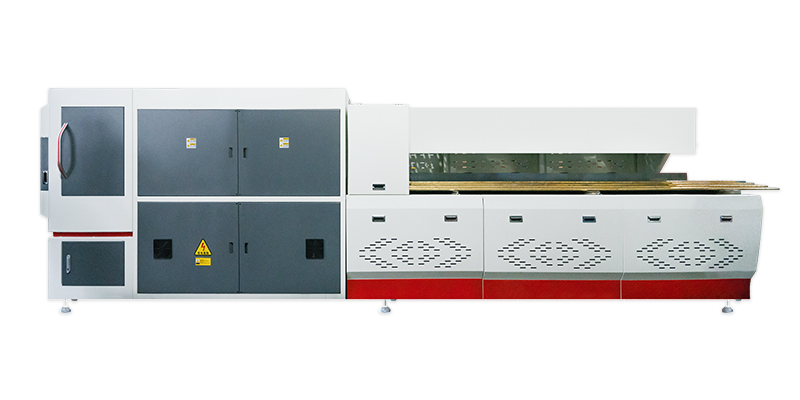
This equipment has an exquisite appearance and is highly integrated: it integrates feeding, heating,...
View MoreCopyright © Taizhou Huanlian Technology Co., Ltd. Rights Reserved.
Sale Hot Forging Machine Factory

