


 русский
 عربى
عربى
80T/125T Fully Automatic Hot Forging All-In-One Machine
This equipment has an exquisite appearance and is highly integrated: it integrates feeding, heating,...
View MoreEvery operator working with industrial metal forming systems knows that handling a Brass Hot Forging Production Line is more than just pushing buttons. Real-world discussions from forums and technical guides highlight that operators continue to face recurring challenges — from managing narrow temperature windows to unpredictable material behavior in different brass alloys. These issues go beyond theory and often emerge only when real billets meet the press and full production demands are placed on Brass Hot Forging Equipment.
Temperature and Brittleness: A Tight Balancing Act
One of the top concerns operators report is maintaining the correct temperature throughout the hot forging process. Brass exhibits a narrow workable temperature range, often between about 650°C and 900°C (1200-1650°F), which is needed to ensure ductility without causing medium-temperature brittleness or melting. If the temperature falls outside this range — even slightly — the material can become significantly harder to deform and may crack or warp under pressure.
Risk of cracks: Brass can develop micro-cracks if operators push it below its ideal plastic forming range or heat it too unevenly.
Temperature monitoring: Inconsistent furnace temperatures make it hard to maintain uniformity, especially on older production lines without advanced sensing.
Brittleness zone: Operators sometimes refer to a “brittleness zone” where brass becomes difficult to work, even though it is still hot — this is a frequent topic in metalworking forums.
These temperature-related concerns are important not just for quality, but also for safety and yield because mis-forging can cause scrap parts or sudden equipment stoppages.
Material Variability and Alloy Behavior
Another challenge brought up repeatedly — both by industrial operators and hobbyist metalworkers — is the unpredictable behavior of brass depending on its exact alloy composition. Different brass grades behave differently under heat and pressure, which can complicate process settings.
Different alloys behave differently: Some types of brass are softer and more malleable when hot, while others may crack even under similar conditions.
Forum reports of unexpected brittle behavior: Users who try forging brass without knowing the specific alloy often experience cracking or structural failure, even when they think temperatures are correct.
This variability means operators must often adjust heating cycles, forging speeds, and die designs on the fly — making standardization across shifts or products difficult.
Tooling Wear, Flash Control, and Production Pace
Operating a Brass Hot Forging Production Line also demands constant attention to tooling and process mechanics:
Die wear: Heavy mechanical loads from repeated hot forging can wear out dies faster than expected, especially if operators push for higher throughput.
Flash management: Managing excessive flash — the overflow of metal around the die — requires trimming steps that slow production and increase maintenance work.
Keeping pace: When temperatures fluctuate or brass doesn’t flow smoothly into the die, operators must slow the production line to maintain part quality — a tension between throughput and defect avoidance.
Tooling quality and setup are often discussed in manufacturing communities, with operators noting that insufficient lubrication or incorrect die alignment can amplify these issues.
Training and Operator Experience
Perhaps less visible in equipment data sheets but widely noted in discussions is how operator experience influences outcomes. Hot forging isn’t a purely automated step; human intervention — monitoring heat, adjusting press behavior, and deciding when to reheat — significantly affects results.
Learning curves: Operators often need significant hands-on experience before they can predictably manage challenging brass shapes and forging cycles.
Responding to anomalies: Out-of-range readings or unexpected material behavior require quick judgment calls that less experienced staff may struggle with.
This is why some plants incorporate more automated controls and real-time feedback into their Brass Hot Forging Equipment, easing the burden on operators and reducing reliance on subjective judgment.
Practical Tips Shared by Operators
Across metalworking communities and industrial guides, several practical insights circulate among experienced users:
Rigorous temperature control: Use digital pyrometers and furnace sensors to maintain a stable, uniform heat profile.
Die pre-heating: Pre-preparing dies can help reduce thermal shock and improve material flow during forging.
Material testing: Testing the specific brass alloy in a controlled environment before full-scale production helps prevent surprises.
Operators of a Brass Hot Forging Production Line deal with complex, real-time variables that require skill, good equipment, and careful process management. Temperature control, alloy variability, tooling wear, and operator experience all play a role in forging success — and none can be ignored.
Companies like Taizhou Huanlian Technology Co., Ltd. that focus on metal forging systems are increasingly offering solutions that incorporate better sensing, temperature feedback, and process support to help operators manage these challenges more consistently.
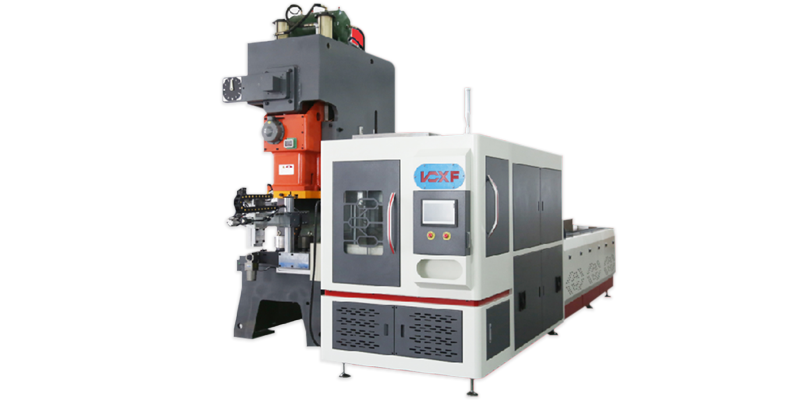
This equipment has an exquisite appearance and is highly integrated: it integrates feeding, heating,...
View More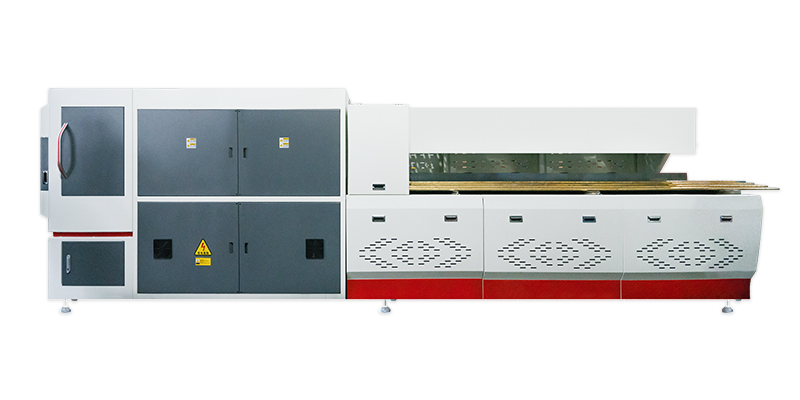
This equipment has an exquisite appearance and is highly integrated: it integrates feeding, heating,...
View MoreCopyright © Taizhou Huanlian Technology Co., Ltd. Rights Reserved.
Sale Hot Forging Machine Factory

