


 русский
 عربى
عربى
80T/125T Fully Automatic Hot Forging All-In-One Machine
This equipment has an exquisite appearance and is highly integrated: it integrates feeding, heating,...
View MoreChallenges surrounding a Brass Hot Forging Production Line often spark discussion among metalworkers, manufacturing engineers, and equipment operators — especially when products fail to meet dimensional and integrity expectations. Precision and repeatability are essential in hot forging since the process involves elevated temperatures, intense deformation, and rapid transitions from heating to pressing. Despite the robust nature of Brass Hot Forging Equipment, many still wonder why production control remains a challenge in daily operations.
What Makes Brass Hot Forging Production Line Control Difficult?
A production line designed for hot forging brass components typically integrates multiple stages: billet loading, heating, forging, trimming, and finishing. Throughout these stages, maintaining uniform temperature and consistent material flow is critical. Unlike other metalwork processes, brass alloys are sensitive to temperature fluctuations and require precise heating to ensure ideal ductility and fill behavior. Improper temperature profiles can result in incomplete die filling or internal inconsistencies that affect mechanical performance.
Temperature control is one of the more frequently mentioned hurdles because the properties of brass change significantly as it approaches and exceeds its recrystallization point. When billets are heated unevenly within a heating furnace — such as induction, box, or rotary hearth types — internal stresses can develop that reduce material ductility and increase the risk of defects during forging. These defects may show up as cracks, internal voids, or distortion once the slug is pressed into a die cavity.
The Role of Material Flow and Die Design
Another aspect that often complicates production control is the interaction between metal flow and die geometry. During hot forging, the brass slug must flow freely into all features of a die cavity. If the die design does not accommodate the specific flow characteristics of the brass alloy being used, certain areas can fill prematurely while others lag behind. This uneven flow can leave stress concentrations and pockets of incomplete metal, which are more likely to surface as defects after trimming and finishing.
Balancing forging force, slug temperature, and die pre-heating becomes even more complex when parts have varying thickness features or deep cavities. Operators often spend significant time tuning their presses and equipment settings to achieve uniform flow that meets tolerances required for downstream machining or assembly.
Human and Technical Factors in Production Line Variability
Operator skill and responsiveness also play a role in production line control challenges. Unlike automated processes with integrated sensors and closed-loop feedback systems, many forging lines still involve manual adjustments based on experience and observation. While seasoned operators can often compensate for observable issues, this approach introduces variability that is hard to standardize across shifts or across different facilities.
Another non-trivial factor is lubrication and friction management. During hot forging, the contact surfaces between the billet and the die must be lubricated to reduce frictional resistance. Inadequate lubrication increases hot forging loads, elevates die wear, and alters the metal’s flow path — all of which contribute to deviations from expected production outcomes.
How Technology Can Improve Control
Manufacturers aiming to stabilize a Brass Hot Forging Production Line are increasingly turning toward sensor-based process monitoring and digital control systems. Modern Brass Hot Forging Equipment can integrate thermocouples, pyrometers, and real-time feedback loops that adjust power inputs or press parameters automatically. These systems help ensure that temperature profiles remain within specified bands and that deformation forces are consistent from slug to slug.
Incorporating digital tools can also enable more sophisticated analysis of forging cycles, allowing engineers to identify and reduce variation. For example, adopting feature detection and data logging systems can reveal trends in forging quality that may escape observation in traditional setups. Over time, these insights support continuous improvement, lower scrap rates, and greater confidence in meeting quality standards.
Real-World Insights from Operators
Discussions among manufacturing communities, metalworking forums, and industrial groups reveal some better practices that experienced operators share, including:
Establishing and documenting standard heat profiles for each alloy and part type.
Implementing scheduled instrumentation calibration to ensure accurate temperature and pressure readings.
Using precise die preheating for parts with variable thickness to reduce temperature gradients.
Training operators in both equipment mechanics and process science to encourage consistent decision-making.
These steps reflect a blend of technical control and operational discipline that help reduce variability in daily production.
Can Brass Forging Lines Be Controlled Better?
While controlling a Brass Hot Forging Production Line presents challenges due to thermal sensitivity, variable material flow, and equipment complexity, these issues are not insurmountable. Enhancing process visibility through digital controls and investing in operator training are two important steps that help improve consistency.
A stable production line enables better part quality, fewer defects, and improved throughput — outcomes that benefit from both robust Brass Hot Forging Equipment and thoughtful process management. With the right balance of technology and expertise, many of the difficulties commonly discussed in workshops and online forums can be effectively addressed, helping manufacturers move closer to predictable and repeatable results.
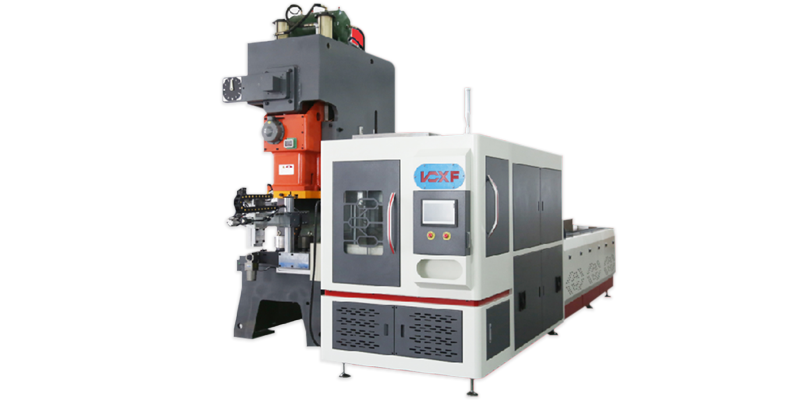
This equipment has an exquisite appearance and is highly integrated: it integrates feeding, heating,...
View More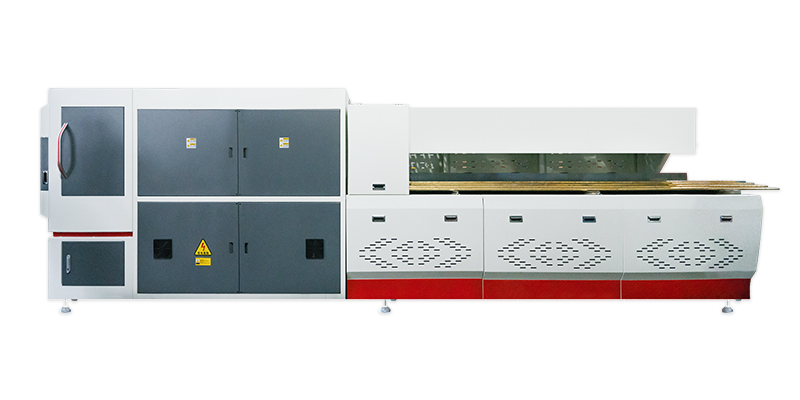
This equipment has an exquisite appearance and is highly integrated: it integrates feeding, heating,...
View MoreCopyright © Taizhou Huanlian Technology Co., Ltd. Rights Reserved.
Sale Hot Forging Machine Factory

