


 русский
 عربى
عربى
80T/125T Fully Automatic Hot Forging All-In-One Machine
This equipment has an exquisite appearance and is highly integrated: it integrates feeding, heating,...
View MoreReducing scrap is critical for improving profitability and efficiency in hot forging operations. A combination of a reliable Hot Forging Machine Tool and a well-designed Hot Forging Automation Production Line allows manufacturers to control forming accuracy, monitor quality in real time, and automate billet handling. These solutions help companies minimise material waste, maintain consistent quality, and enhance overall production efficiency.
Understanding why scrap occurs helps in selecting and configuring the Correct forging equipment:
● Temperature Variations
Billets that are too hot or too cold may crack or form improperly, result in rejected parts.
● Die Misalignment
Even small misalignments can result in overfilled or underfilled parts and surface defects.
● Manual Handling Errors
Human operators may introduce inconsistencies in billet placement or timing, affecting product uniformity.
● Uneven Material Flow
Incorrect forming speed or pressure can cause laps, folds, or internal voids.
● Die Wear
A worn or damaged die produces defective parts more frequently, contributing to scrap.
By addressing these factors with automation and precise machine tools, manufacturers can significantly reduce waste.
A modern forging machine incorporates several features designed to reduce defective output:
● Precise Pressure and Stroke Control
Programmable controls ensure that each billet receives the same force and movement, minimizing errors.
● Rigid Structural Design
A stable frame reduces vibration and die movement, preserving forming accuracy.
● Integrated Sensor Feedback
Load and displacement sensors detect deviations in real time, allowing immediate adjustments before defects occur.
● Die Temperature Monitoring
Automated temperature sensors ensure the die and billet are within good forming conditions, reducing cracking and underfill.
When the machine tool is part of a fully automated production line, additional measures further lower scrap rates:
● Automatic Billet Feeding and Positioning
Eliminates errors from manual handling and ensures billets enter the die correctly.
● Controlled Heating Systems
Induction or other heating methods maintain uniform temperature for every billet, preventing uneven forming.
● Synchronized Forming Cycle
Automation ensures consistent timing for each stroke, preserving part integrity and dimensional accuracy.
● Real-Time Quality Monitoring
Sensors monitor forming pressure, stroke speed, and temperature throughout the process, reducing the likelihood of defective products.
● Predictive Maintenance
Automated monitoring of machine performance can identify die wear or mechanical issues before they cause scrap.
Lowering scrap has multiple advantages for manufacturing operations:
Cost Savings: Less material waste reduces raw material expenses.
Increased Productivity: Fewer rejected parts allow more parts to be completed in the same production time.
Enhanced Consistency: Products meet specifications more reliably, improving customer satisfaction.
Sustainable Operations: Efficient use of materials and reduced rework contribute to operational efficiency.
Selecting a reliable supplier ensures that the production line and machine tool are optimized for scrap reduction. Taizhou Huanlian Technology Co., Ltd. offers:
Fully integrated automated systems tailored to customer production needs
High-precision forging machine tools for consistent forming
Technical support and process optimization advice
Solutions for diverse material types and part geometries
Working with experienced engineers ensures that the system operates efficiently from installation through daily production.
Taizhou Huanlian Technology Co., Ltd. has developed intelligent forging solutions that integrate precise machine tools with fully automated production lines, supporting manufacturers in achieving stable output with minimal scrap.
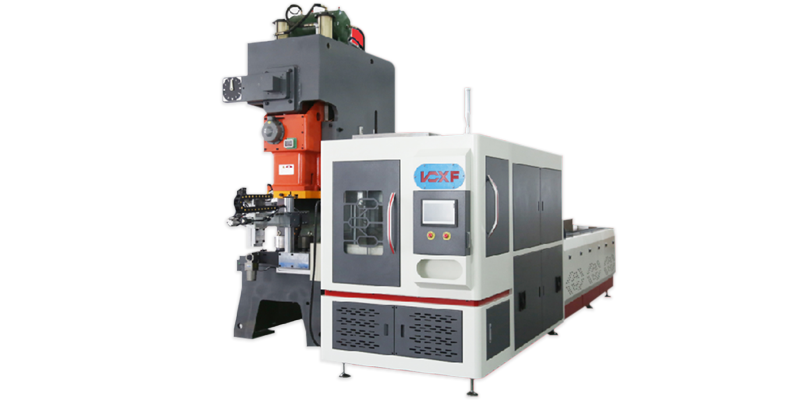
This equipment has an exquisite appearance and is highly integrated: it integrates feeding, heating,...
View More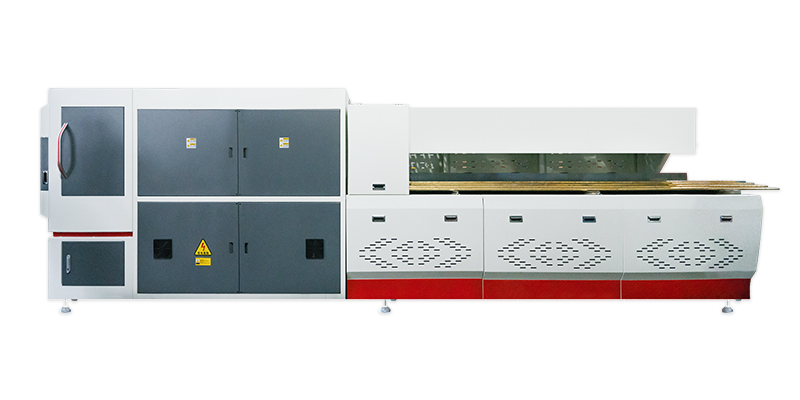
This equipment has an exquisite appearance and is highly integrated: it integrates feeding, heating,...
View MoreCopyright © Taizhou Huanlian Technology Co., Ltd. Rights Reserved.
Sale Hot Forging Machine Factory

