


 русский
 عربى
عربى
80T/125T Fully Automatic Hot Forging All-In-One Machine
This equipment has an exquisite appearance and is highly integrated: it integrates feeding, heating,...
View MoreSelecting the Correct equipment for hot forging operations is critical to achieving reliable production and maintaining cost efficiency. A Hot Forging Automation Production Line, paired with a precise Hot Forging Machine Tool, can help manufacturers streamline processes, reduce defects, and increase throughput. Making the correct choice requires careful consideration of technical specifications, production needs, and long-term operational goals.
Before investing in an automated forging line, companies should define their production goals:
● Production Volume
High-volume manufacturers benefit more from fully automated systems capable of continuous operation, while smaller operations may choose semi-automatic solutions.
● Part Complexity
Complex shapes, tight tolerances, and multi-stage forging processes require more advanced machine control and die handling capabilities.
● Material Type and Size
Steel, aluminum, and specialty alloys differ in heating and forming behavior. The machine must accommodate the weight and dimensions of the billets.
● Batch Flexibility
Workshops producing multiple product types need systems that allow fast die changes and programmable process parameters.
By understanding production requirements, managers can match their needs with the correct automation level and machine capacity.
The Hot Forging Machine Tool is the core of the production line. Key factors include:
● Forming Force and Stroke Length
The machine must deliver sufficient force for the material and part size while maintaining accuracy.
● Precision and Repeatability
Check the control system’s ability to replicate each stroke consistently, ensuring minimal dimensional deviation.
● Die Compatibility
A versatile forging machine should support various die designs and easy setup for different products.
● Cooling and Lubrication Integration
Adequate cooling and lubrication systems extend die life and maintain stable production quality.
Modern hot forging lines include various automated components to enhance efficiency:
● Robotic or Conveyor Feeding Systems
Automated billet handling ensures correct positioning and reduces human error.
● Intelligent Heating Solutions
Precise temperature control is essential to prevent cracks, surface defects, or underfill.
● Integrated Quality Monitoring
Sensors track forming pressure, stroke, temperature, and die stress in real time, enabling corrective action before defects occur.
● Safety Systems
Automatic interlocks and protective enclosures reduce operator risk during high-temperature operations.
While automated systems require higher initial investment, they offer long-term cost savings through:
Lower scrap rates due to consistent forming quality
Reduced labor costs as fewer operators are needed
Fewer unplanned downtime events with predictive maintenance
Shorter production cycles allowing higher throughput
Manufacturers should conduct a total cost of ownership (TCO) analysis to evaluate the benefits over the system’s lifetime.
Choosing an experienced supplier is as important as the equipment itself. Taizhou Huanlian Technology Co., Ltd. provides:
Customized system design based on production requirements
Integration of machine tools with automated feeding, heating, and transfer solutions
Technical support and after-sales service for long-term reliability
Partnering with a knowledgeable supplier ensures smooth installation, proper commissioning, and good performance from day one.
By evaluating technical requirements, focusing on automation benefits, and working with a trusted supplier, manufacturers can achieve efficient, high-quality forging operations. Taizhou Huanlian Technology Co., Ltd. has extensive experience providing intelligent forging solutions tailored to diverse industrial requirements, from small workshops to large-scale manufacturing facilities. A well-chosen system not only improves throughput and consistency but also reduces operational risk and supports sustainable growth in competitive manufacturing environments.
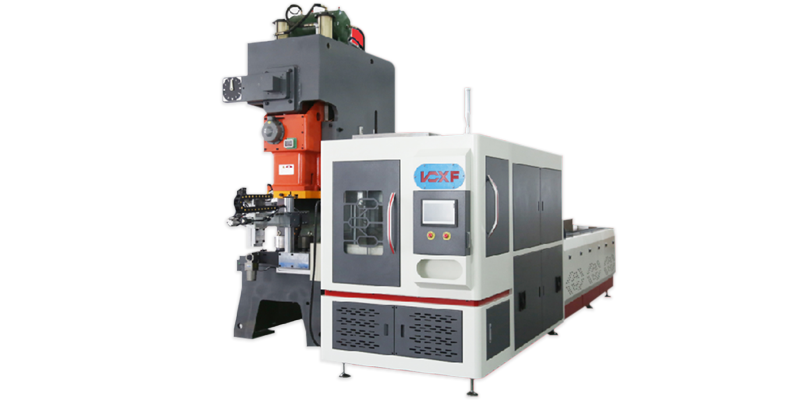
This equipment has an exquisite appearance and is highly integrated: it integrates feeding, heating,...
View More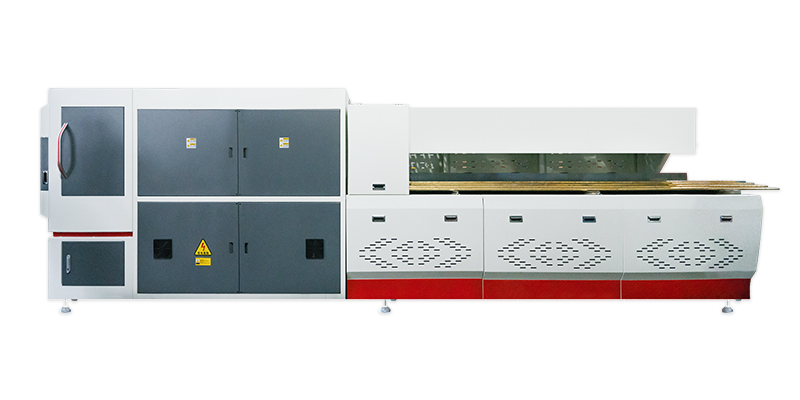
This equipment has an exquisite appearance and is highly integrated: it integrates feeding, heating,...
View MoreCopyright © Taizhou Huanlian Technology Co., Ltd. Rights Reserved.
Sale Hot Forging Machine Factory

