


 русский
 عربى
عربى
80T/125T Fully Automatic Hot Forging All-In-One Machine
This equipment has an exquisite appearance and is highly integrated: it integrates feeding, heating,...
View MoreIn the world of modern manufacturing, Hot Forging Processing Technology plays a critical role in shaping strong, durable parts for industries ranging from automotive to aerospace. However, even with well‑designed production processes, defects in forged parts can still occur if key variables are not properly controlled. Choosing the right Customize Hot Forging Equipment and maintaining precise process parameters are essential steps toward reducing imperfections and ensuring product integrity. At Taizhou Huanlian Technology Co., Ltd., we often see customers seeking practical solutions to the more common forging defects and understanding how equipment choices influence final part quality.
Hot forging is a sophisticated process where metal is heated above its recrystallization temperature and then shaped by pressure. This elevated temperature makes the material easier to deform, but it also introduces specific quality challenges that must be managed at every step of production. By focusing on defect prevention and robust equipment design, manufacturers can significantly enhance part reliability and reduce rework or scrap rates.
A variety of defects can arise during hot forging, and understanding their root causes is the initial step toward mitigation. Some typical issues include surface and internal cracks, unfilled sections, grain size variations, and oxidation scaling on the part surface.
Cracks: These can form either on the surface or within internal structures when the metal is heated improperly or deformed at incorrect speeds. Excessive tensile or shear stress during forging often leads to cracks that compromise strength and performance.
Unfilled Sections: Unfilled areas occur when the forged material does not flow sufficiently into every region of the die cavity, often due to inadequate force or poor die design. This results in incomplete parts that fail to meet dimensional or functional requirements.
Grain Size Variation: Uneven grain growth can reduce mechanical performance, causing variations in toughness and fatigue resistance across the part. Inconsistent heating and cooling rates or errors during multiple forging passes can contribute to this problem.
Surface Scaling: Oxidation on the surface of the forging can create scale pits that act as stress concentrators, potentially causing premature failure in service.
Recognizing these defects early through inspection and measurement helps forge shops take corrective actions before parts are shipped.
A key factor influencing forging defect occurrence is the selection and configuration of forging machinery. Customization of equipment can yield significant improvements by better matching the press, dies, and handling systems to the specific part geometry and material requirements.
Die Engineering: Proper die design enhances material flow and reduces areas where folding or laps can occur. Rounded fillets and well‑designed draft angles help metal move smoothly, minimizing risks of cold shuts or incomplete filling.
Force Capacity and Alignment: Choosing the appropriate press with sufficient force ensures the die is completely filled. Furthermore, precise alignment between upper and lower dies avoids mismatches that would cause dimensional inaccuracies.
Heating and Temperature Control: Maintaining a uniform temperature throughout the workpiece is essential for predictable deformation. Uneven heating can produce internal stresses and cause cracks or grain size differences. Real‑time sensors and controlled heating zones contribute to better process consistency.
Manufacturers seeking high‑repeatability production often invest in modular or tailored equipment capable of addressing part‑specific challenges.
Implementing proactive strategies in forging can greatly reduce defect rates. These practices include:
Material Inspection: Detecting inclusions or voids in the starting material prevents flaws from propagating through the forging process.
Process Monitoring: Closed‑loop systems that continuously monitor temperature and pressure help maintain parameters within the desired range.
Routine Maintenance: Regular checks and calibration of presses, furnaces, and die components reduce mechanical failures that could introduce defects.
Operator Training: Skilled personnel are better equipped to respond to anomalies during forging operations and make on‑the‑fly adjustments.
A combination of high‑quality materials, robust equipment, and stringent controls underpins a reliable hot forging manufacturing system.
As product geometries become more complex, the role of Customize Hot Forging Equipment becomes increasingly important. Custom presses and die sets designed specifically for intricate components can yield better material flow and reduce the risk of defects.
For companies like Taizhou Huanlian Technology Co., Ltd., partnering with clients to tailor equipment configurations and forging parameters ensures that each manufacturing challenge is approached with the right tools and expertise. Advanced simulation tools and iterative design reviews enable forging engineers to mitigate risks before production begins.
Quality in hot forging doesn’t happen by chance; it is the product of thoughtful process planning and careful equipment selection. Defects such as cracking, unfilled sections, and grain inconsistencies can compromise product performance and cause costly rework. By understanding common defect mechanisms and leveraging customized equipment choices, manufacturers can achieve more consistent results and greater operational efficiency. Embracing precision in both design and execution ensures that forged parts meet the demanding standards of today’s industrial applications.
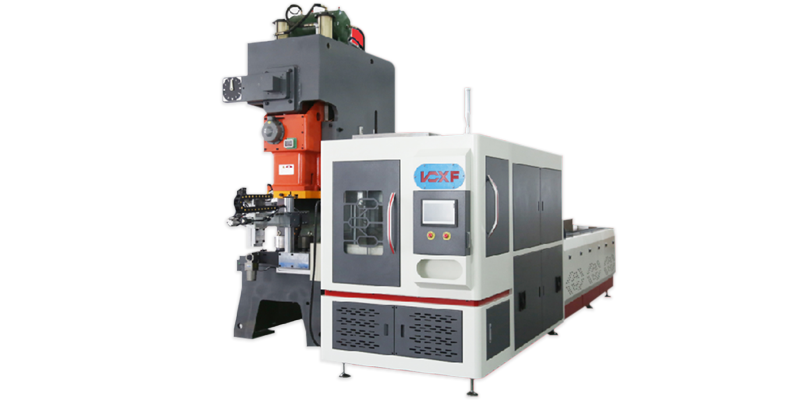
This equipment has an exquisite appearance and is highly integrated: it integrates feeding, heating,...
View More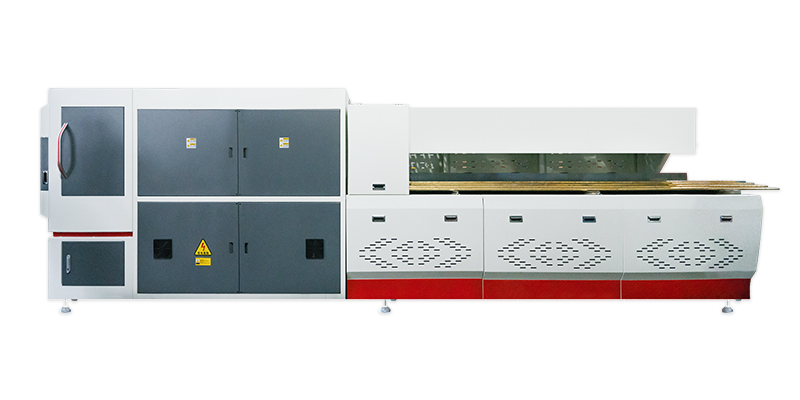
This equipment has an exquisite appearance and is highly integrated: it integrates feeding, heating,...
View MoreCopyright © Taizhou Huanlian Technology Co., Ltd. Rights Reserved.
Sale Hot Forging Machine Factory

