


 русский
 عربى
عربى
80T/125T Fully Automatic Hot Forging All-In-One Machine
This equipment has an exquisite appearance and is highly integrated: it integrates feeding, heating,...
View MoreBalancing accuracy and speed is a core challenge in modern forging environments. By adopting a well-engineered Hot Forging Machine Tool combined with a fully integrated Hot Forging Automation Production Line, manufacturers can achieve consistent forming precision while increasing throughput. With advanced monitoring, precise control systems, and continuous automatic operation, automated forging solutions are becoming the preferred choice for workshops aiming for stable, scalable, and reliable mass production.
Precision is often underestimated in forging, as the process involves high heat and significant forming pressure. However, dimensional accuracy is critical for applications such as:
Automotive steering components
Construction machinery parts
Hardware tools
Pipe fittings
High-stress industrial components
Any variation during forming can cause poor product fit, assembly problems, internal stress concentration, or accelerated wear during operation.
Common causes of poor forging precision include:
Inconsistent material temperature
Inaccurate die alignment
Irregular forming force
Manual timing variation
Uneven billet positioning
These errors accumulate over time, making precision control difficult in traditional workshops.
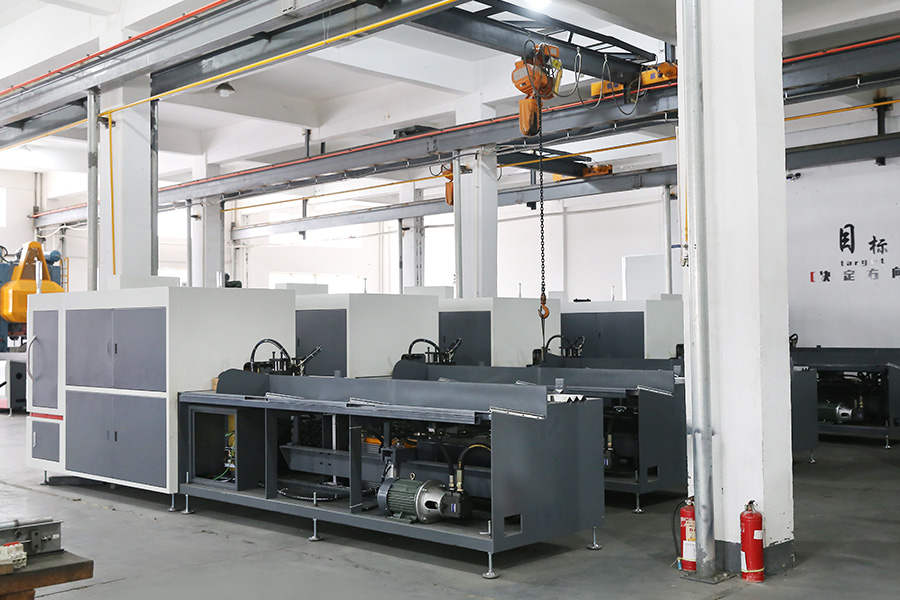
A well-developed forging machine introduces a series of structural and control advantages designed to ensure forming accuracy.
● Controlled Stroke and Pressure Output
Programmable settings allow the machine to apply the same pressure and speed on every cycle, ensuring predictable forming results.
● High Rigidity Frame Design
A rigid machine structure reduces deformation during the pressing process, which directly improves product dimensional stability.
● Servo or Hydraulic Precision Control System
Advanced control systems adjust movement smoothly and accurately, reducing vibration and allowing finer control of forming parameters.
● Precise Die Positioning Mechanisms
Die alignment accuracy ensures the metal fills the cavity uniformly, preventing shifts or asymmetric forming.
● Temperature Feedback Integration
Sensors monitor billet temperature in real time and communicate with the forging machine, ensuring that each piece is formed under good thermal conditions.
Through these features, the forging machine becomes a central tool in maintaining accuracy across batch production.
Precision alone is not enough—modern workshops also prioritize speed. A Hot Forging Automation Production Line accelerates the workflow by automating each key stage.
● Automated Feeding and Material Handling
Robots or feeding mechanisms position billets quickly and consistently, eliminating delays from manual handling.
● Fast and Even Heating Cycle
Induction heaters operate at controlled power levels, reducing time to reach target temperature.
● Synchronized Process Rhythm
Heating, transferring, forming, and unloading are linked under a unified control system to maintain high-speed continuous operation.
● Reduced Operator Intervention
Automation minimizes human hesitation, fatigue, or timing variation—elements that slow down traditional forging.
● Shorter Idle Time Between Cycles
Automated gripping and precise timing ensure the next billet is ready as soon as the machine completes its stroke.
These elements significantly increase the daily output of forged components while maintaining consistent quality.
One of the greatest challenges in forging is preserving dimensional accuracy at high speed. Automation solves this by:
● Keeping Temperature Variation Low
Fast billet movement ensures minimal heat loss during transfer.
● Reducing Die Fatigue Through Controlled Load
Accurate pressure control extends die lifespan and keeps cavity dimensions stable.
● Preventing Overheating and Over-Pressing
Sensors and software stop the machine when abnormal data is detected.
● Monitoring Every Stroke in Real Time
Load sensors, displacement sensors, and thermal cameras track each forming cycle, helping maintain precise forming conditions.
These systems collectively support long-term production consistency, even when machines run continuously for extended shifts.
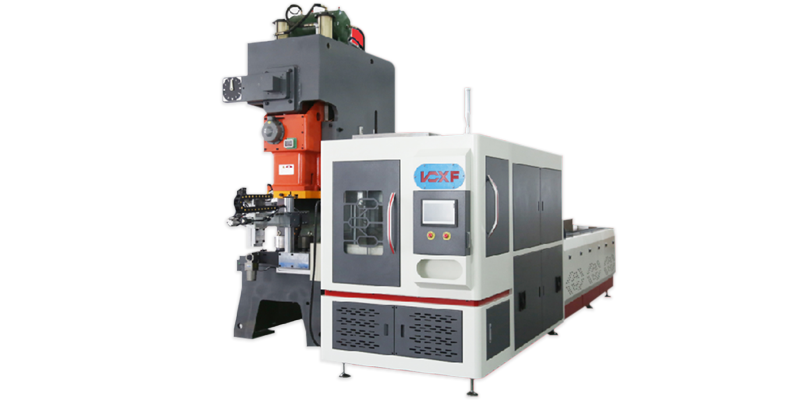
This equipment has an exquisite appearance and is highly integrated: it integrates feeding, heating,...
View More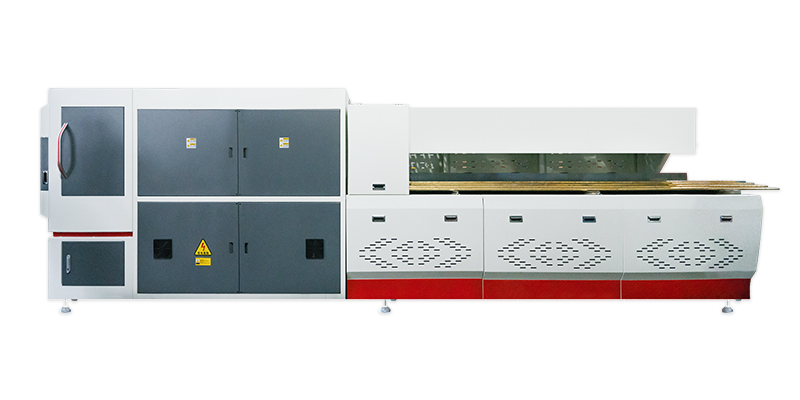
This equipment has an exquisite appearance and is highly integrated: it integrates feeding, heating,...
View MoreCopyright © Taizhou Huanlian Technology Co., Ltd. Rights Reserved.
Sale Hot Forging Machine Factory

