


 русский
 عربى
عربى
80T/125T Fully Automatic Hot Forging All-In-One Machine
This equipment has an exquisite appearance and is highly integrated: it integrates feeding, heating,...
View MoreSwitching to a Hot Forging Automation Production Line supported by a reliable Hot Forging Machine Tool is a practical choice for companies aiming to reduce production cost and accelerate workflows. The combination of automated heating, stable forming force, and real-time monitoring enables workshops to run more efficiently with fewer defects and shorter cycle times. As automation continues to transform the forging industry, smart production lines will play an essential role in improving cost structure and increasing long-term competitiveness.
Manual or semi-automatic forging workflows often appear cheaper at initial glance, but several hidden costs accumulate over time:
● High Material Waste
Irregular heating, uneven billet positioning, and inconsistent forming force result in higher scrap rates and reprocessing.
● Rising Labor Expenses
Forging requires skilled operators capable of handling high-temperature billets and complex machine operations. Recruiting and training add long-term cost.
● Machine Downtime and Maintenance
Human error increases the risk of unexpected shutdowns, improper die installation, and overheating.
● Slower Production Cycles
Manual billet transfer and visual temperature judgment slow down the workflow, reducing daily output.
When manufacturers evaluate total operational costs, traditional forging often becomes less efficient and more expensive than expected.
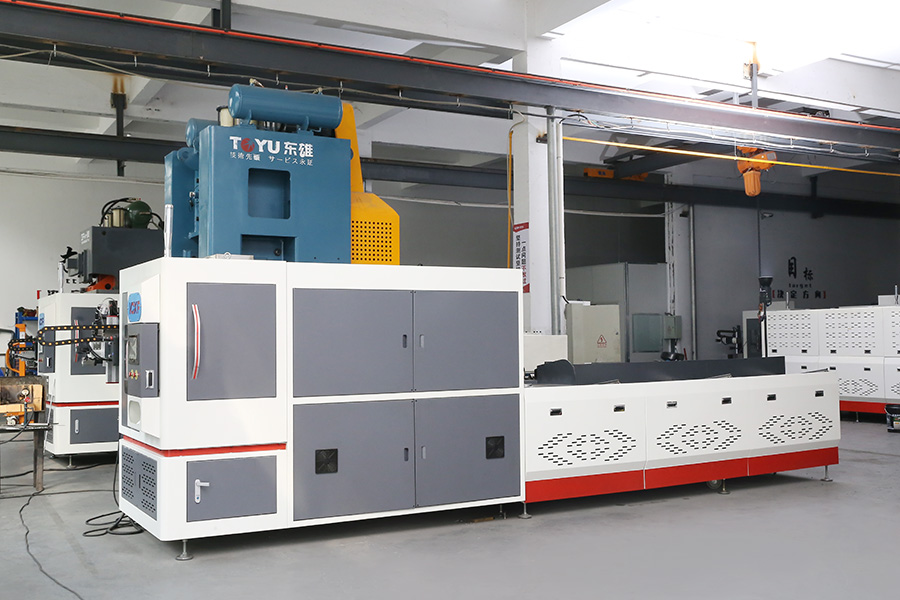
An automated line breaks down these inefficiencies by controlling each production stage with precision and consistency.
● Accurate Billet Heating Reduces Energy Consumption
Automated induction systems heat billets to the exact required temperature, avoiding overheating that wastes energy and shortens die life.
● Reduced Scrap Through Stable Forming
When forming is handled by a robust Hot Forging Machine Tool with programmable control, dimensional error and surface defects decrease significantly.
● Fewer Operators Required
A single operator can oversee multiple stations because feeding, heating, transferring, and forming are integrated into one automated system.
● Lower Risk of Equipment Damage
Sensors detect overload, temperature anomalies, misalignment, and abnormal vibrations. Preventive alerts help avoid costly breakdowns.
● Faster Cycle Time per Piece
Robots or automated grippers transfer billets immediately, maintaining proper temperature and reducing idle time between processes.
For companies with mass-production requirements, these advantages translate directly into long-term cost reduction.
Time savings are equally important for workshops aiming to maximize capacity.
● High-Speed Sequential Operations
The automation line synchronizes heating, pressing, and unloading to ensure continuous movement without delays.
● Consistent Takt Time
Every product is formed under identical timing and pressure, eliminating the variability caused by manual operation.
● Quick Tool Changeover
Modern systems are designed for modular dies and automated calibration, reducing downtime between batches.
● Real-Time Data Feedback
Operators can monitor load distribution, stroke speed, and die temperature instantly, enabling faster decision-making.
Faster cycles not only increase production volume but also allow workshops to accept more customer orders.
The machine tool is the core of the production line. Its performance impacts forging accuracy, mold condition, and overall operational speed.
● Programmable Stroke and Pressure Control
Repeating exact parameters ensures reliable forming quality.
● High Structural Rigidity
Stable frames reduce vibrations and increase the lifespan of dies.
● Integration with Robots and Sensors
A modern forging machine works seamlessly with automatic feeding devices, billet sensors, and temperature monitoring systems.
● Simplified Operator Interface
Smart control panels make process adjustment easier, reducing training requirements.
These features allow manufacturers to maintain high-speed production while ensuring consistent output quality.
As an automation equipment provider, Taizhou Huanlian Technology Co., Ltd. has observed that more workshops are shifting from traditional semi-manual forging toward intelligent automated solutions to support long-term development and competitiveness.
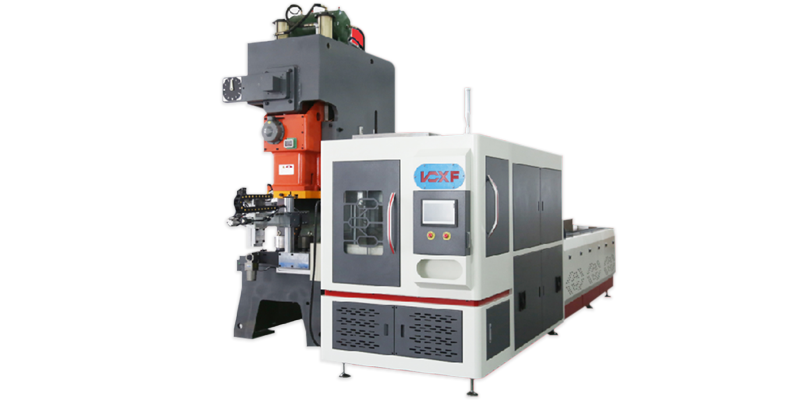
This equipment has an exquisite appearance and is highly integrated: it integrates feeding, heating,...
View More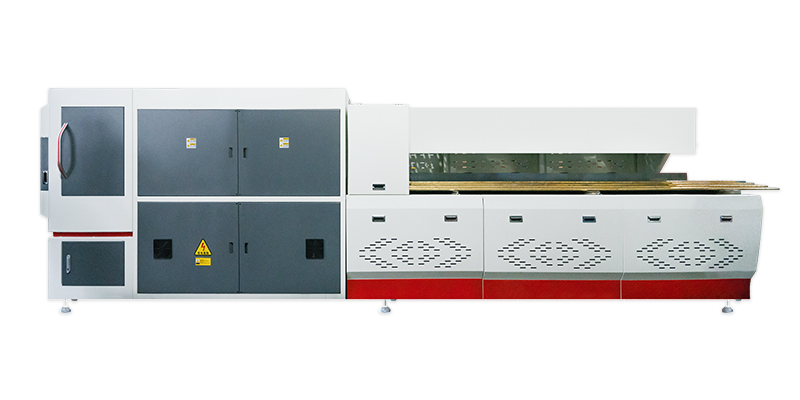
This equipment has an exquisite appearance and is highly integrated: it integrates feeding, heating,...
View MoreCopyright © Taizhou Huanlian Technology Co., Ltd. Rights Reserved.
Sale Hot Forging Machine Factory

