


 русский
 عربى
عربى
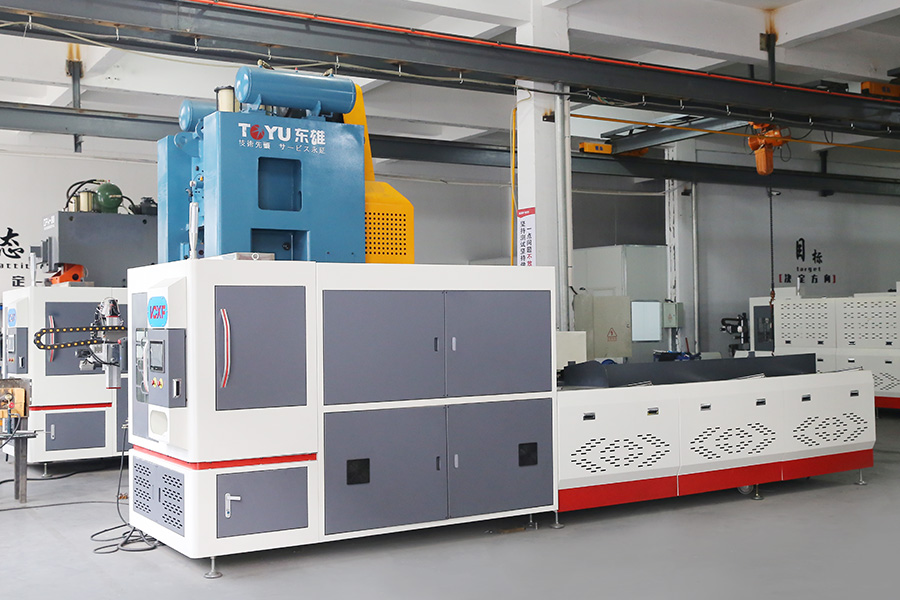
80T/125T Fully Automatic Hot Forging All-In-One Machine
This equipment has an exquisite appearance and is highly integrated: it integrates feeding, heating,...
View MoreEvery forging engineer and technician eventually turns to community discussions and engineering forums to troubleshoot real‑world problems with Hot Forging Processing Technology. These platforms provide practical insights on operational challenges and practical tips for optimizing hot forging presses — particularly when working with older machines, varied part geometries, or process limitations. Understanding these common questions can help manufacturers make informed decisions about investing in Customize Hot Forging Equipment and improving production performance. At Taizhou Huanlian Technology Co., Ltd., we value field feedback and often incorporate lessons from these discussions into our equipment design recommendations.
In various online threads — including Reddit and technical forums — professionals share questions related to machine performance, part ejection, die life, and press selection. These community‑driven exchanges highlight what everyday users struggle with on the shop floor, offering valuable clues about where improvements in forging equipment and process design can make a difference.
One common question from experienced press operators relates to how forged parts interact with dies after processing. Some users report that red‑hot forged pieces don’t reliably stay in the die or bed for automated removal, especially when robots or handling systems are involved. One practical suggestion is exploring coating solutions and parting fluids to improve ejection consistency — though success varies by material and geometry.
Key considerations include:
Coating and Surface Treatment: Choosing die surfaces or coatings that reduce sticking at high temperatures can enhance part ejection reliability.
Die Geometry: Designing favorable die features like draft angles or notches can help parts slide out more predictably.
Press Speed and Cycle: Higher‑speed presses can reduce cooling time in the die, helping parts retain heat and reducing sticking.
Understanding these interactions is crucial for manufacturers aiming to automate handling or improve repeatability.
Closed die forging operations often raise questions about how to determine when a die is nearing the end of its useful life. Operators on forum threads emphasize that there isn’t a one‑size‑fits‑all rule; instead, die life frequently depends on part geometry, material, and production conditions.
Practical approaches shared include:
Monitoring Tolerances: Measuring shifts in part dimensions over time as a die wears, using this data to gauge whether tooling still meets quality targets.
Operator‑Engineer Collaboration: Creating a feedback loop where floor operators flag suspect tooling and engineers review and document acceptable wear limits.
Visual Guides: Many teams create “tooling books” with defect pictures illustrating acceptable vs. unacceptable wear, helping less experienced operators make better decisions.
This real‑world perspective underscores how forging teams often balance efficiency with quality by leveraging simple, structured practices.
When choosing a forging press, beginners often ask what characteristics to prioritize. In hobbyist and professional forums alike, users discuss whether an electric press, hydraulic press, or traditional hammer is more suitable — and how speed, ram travel, and force influence final part quality. One recommendation from general machining forums suggests prioritizing ram speed (for example, 1–2 inches per second) to minimize heat loss and improve forging efficiency.
Important press selection factors include:
Ram Speed: Faster strikes reduce cooling of the workpiece and help maintain temperature, improving material flow into the die.
Press Type: Whether mechanical, hydraulic, or hybrid — each press type has distinct advantages depending on production volume, part size, and precision needs.
Force Control: Adjustable force profiles allow finer control over forging strokes, reducing risk of underfilling or overloading tooling.
Forums make it clear: beginners and seasoned operators alike benefit from understanding how press characteristics translate into forging outcomes.
Beyond press forces and tooling, users also raise questions about operational issues unrelated to forging mechanics per se:
Machine Downtime: Press breakdowns and extended maintenance periods can significantly hurt production schedules. Preventive maintenance, spare‑parts planning, and regular inspections are commonly recommended by experienced operators.
Safety Considerations: Reports from machining communities highlight safety issues like hydraulic line failures or hot scale contact, reminding operators to ensure robust safety protocols.
Process Automation: Some discussions explore how much automation is realistic in traditional hot forging operations, particularly for complex components or lower production quantities.
These practical, shop‑floor concerns illustrate how machine capability, operator skill, and maintenance planning intersect in real environments.
Forums and user‑generated content provide a continuous stream of feedback that can inform better Customize Hot Forging Equipment design choices. Whether it’s refining die geometry, calibrating press speed profiles, or improving ejection mechanics, responding to actual user pain points helps equipment manufacturers deliver solutions that improve performance and reliability.
For example:
Feedback‑Driven Features: Designing presses with adjustable stroke speed and force control to suit various materials and part shapes.
Maintenance‑Friendly Layouts: Engineering machines with easy access to wear components that often require replacement or adjustment.
Enhanced Safety Elements: Integrating robust protections against fluid leaks and heat transfer risks.
Drawing from real user experiences ensures that equipment reflects both practical needs and high‑level performance goals.
Questions from engineering forums and community discussions reveal the real‑world challenges associated with Hot Forging Processing Technology and everyday operation of forging presses. From die wear issues to part handling, press selection uncertainties to safety concerns, these queries help highlight where manufacturers can refine processes and equipment choices. By considering these practical insights and aligning them with tailored, customer‑specific solutions, companies — including Taizhou Huanlian Technology Co., Ltd. — can better support customers in achieving higher production efficiency, improved quality, and safer forging operations.
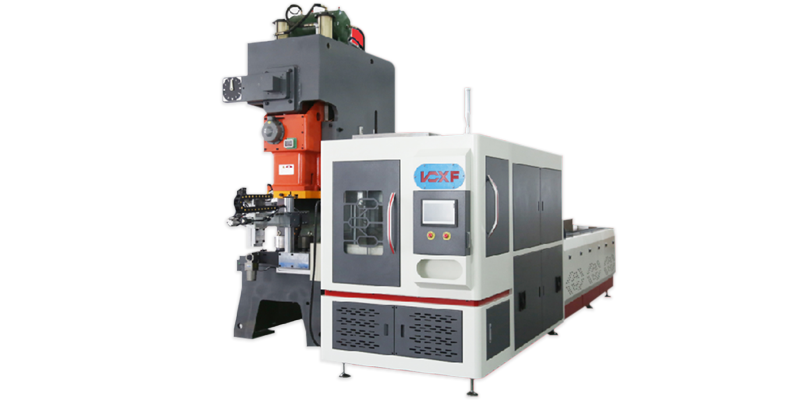
This equipment has an exquisite appearance and is highly integrated: it integrates feeding, heating,...
View More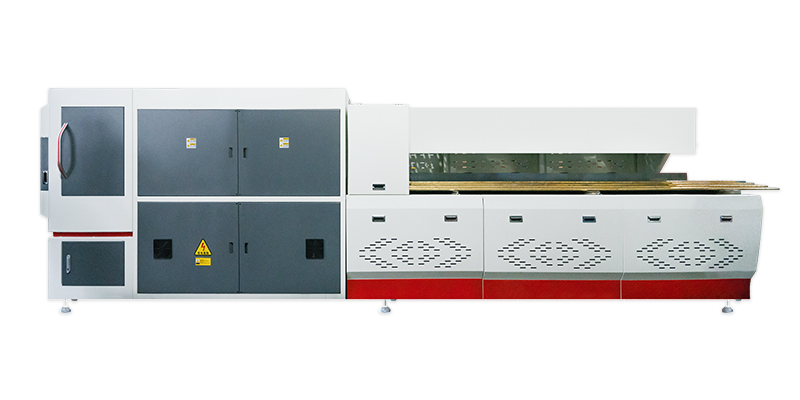
This equipment has an exquisite appearance and is highly integrated: it integrates feeding, heating,...
View MoreCopyright © Taizhou Huanlian Technology Co., Ltd. Rights Reserved.
Sale Hot Forging Machine Factory

