


 русский
 عربى
عربى
80T/125T Fully Automatic Hot Forging All-In-One Machine
This equipment has an exquisite appearance and is highly integrated: it integrates feeding, heating,...
View MoreFor manufacturers working with metals, mastering Hot Forging Processing Technology is more than a matter of heating and pressing a workpiece. One of the more critical challenges in forging operations is balancing the applied load with tool life, because the forces and temperature conditions during forging directly influence the durability of dies and overall production efficiency. This is why selecting the right Customize Hot Forging Equipment — including presses, dies, and control systems — is essential to achieve consistent quality and minimize downtime from tooling failures. At Taizhou Huanlian Technology Co., Ltd., we emphasize careful calibration of forging loads to extend tool service life while ensuring high‑quality forged products.
Unlike cold forging or casting, hot forging involves shaping metal above its recrystallization temperature, which means parts can be formed more easily but subject dies and tooling to harsh stress and heat. Applied load magnitude — the force needed to shape the billet — has a direct impact on both the quality of the forging and the lifespan of the tools. Standard practice seeks to optimize load to provide enough force for proper die filling without excessively stressing the tooling.
In hot forging processes, higher forging loads typically improve material flow and help reduce underfill or incomplete die filling. However, excessive load can significantly shorten tool life and introduce other issues.
Tool Wear and Fatigue: High loads increase the stress on die surfaces, accelerating wear and the likelihood of cracking or surface degradation. Service life reductions can escalate production costs and frequent die replacement.
Internal Material Stress: Extremely high forging forces raise the risk of initiating cracks within the billet or the tooling structure, especially when combined with thermal effects at elevated temperatures.
Underfill vs. Load Management: While increasing load can help eliminate underfill, it must be balanced against the wear rate of tooling. Forging design optimization seeks to achieve both adequate material flow and reasonable tool durability.
Achieving this balance is a central engineering problem in forging operations, and it requires both experience and the right equipment.
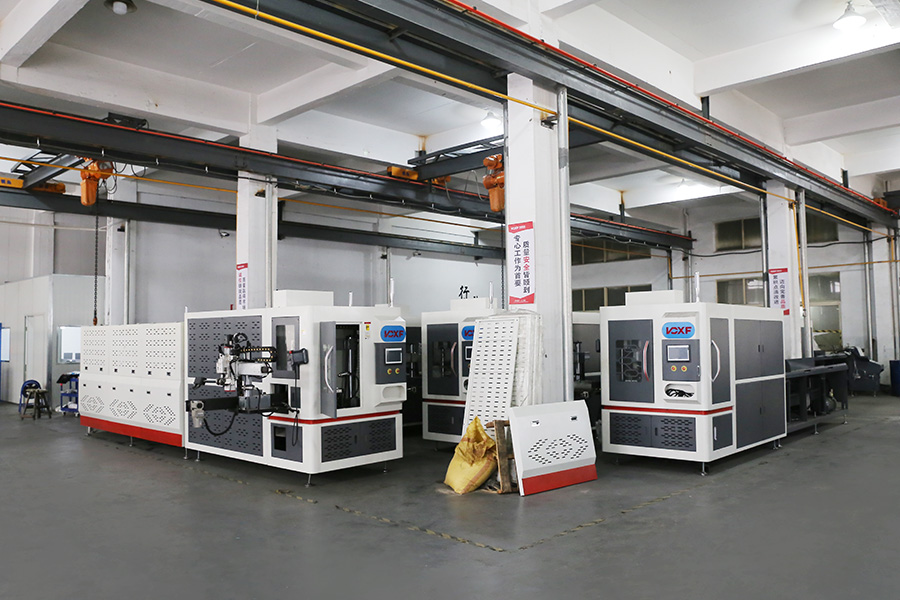
One of the more effective ways to balance load and tool life is by using Customize Hot Forging Equipment designed to match specific geometry and material properties of the parts. Customized solutions enable forging parameters that reduce unnecessary stress on dies without compromising product quality.
Press Selection and Force Profiling: Choosing a press with adjustable force profiles allows operators to apply just the right amount of pressure at different stages of forging. This prevents sudden spikes in load that can accelerate tool wear.
Die Design for Load Distribution: Proper die geometry and support structures help distribute forces more evenly across the surface of the tooling. This reduces localized stress concentrations that can cause premature failure.
Temperature Control Systems: Advanced equipment can regulate thermal conditions during forging, helping maintain consistent material behavior and reducing the need for excessive force adjustments.
Custom solutions tailored to specific production needs can significantly improve performance metrics and reduce total lifecycle costs.
While selecting the right equipment can make a major difference, integrating additional techniques and maintenance practices contributes to longer tool life and better operational results.
Heat Treatment and Tool Material Selection: Appropriately selecting and heat‑treating tool steels enhances wear resistance and toughness under high load and temperature conditions. The choice of material and its heat treatment directly affect how tooling responds to stress and thermal cycling.
Surface Engineering and Coatings: Surface treatments such as nitriding or advanced coatings can reduce friction and wear, prolonging die life by minimizing surface degradation under repeated load cycles.
Lubrication and Cooling: Effective lubrication reduces friction between workpiece and tooling, while controlled cooling helps manage the thermal environment, both of which reduce the net load on tooling.
Routine Monitoring and Inspection: Regular checks on tool condition and real‑time monitoring of load and temperature help catch early signs of wear or fatigue, preventing catastrophic failures before they occur.
These practices, combined with tailored equipment, create a more robust forging process that withstands the long‑term demands of high‑volume manufacturing.
In high‑volume forging environments, the balance between load and tool life becomes even more critical. Frequent tool changes and downtime can erode profitability, making predictive maintenance and process optimization essential.
Statistical Process Control (SPC): Tracking key variables over time helps identify trends that signal when tooling is approaching its wear limits, enabling proactive interventions.
Automated Adjustment Systems: Modern forging lines often use feedback control systems to adjust load dynamically based on billet temperature and material behavior, reducing excessive die stress.
Training and Standardization: Skilled operators with solid understanding of load effects on tool life improve repeatability and reduce accidental overloading that could shorten die lifespan.
When applied thoughtfully, these operational strategies enhance the overall forging performance and support long‑term productivity.
Balancing forging load and tool life in hot forging operations is a complex but essential aspect of effective manufacturing. Excessive loads may improve material flow but accelerate tool wear and increase costs. Conversely, conservative loads can fail to produce complete fillings or introduce quality issues. Skilled integration of Hot Forging Processing Technology with Customize Hot Forging Equipment, properly selected materials, and advanced monitoring techniques can significantly improve tooling longevity and product quality. By carefully managing load profiles and maintaining tooling conditions, manufacturers can achieve more reliable results and greater operational efficiency in competitive industrial environments.
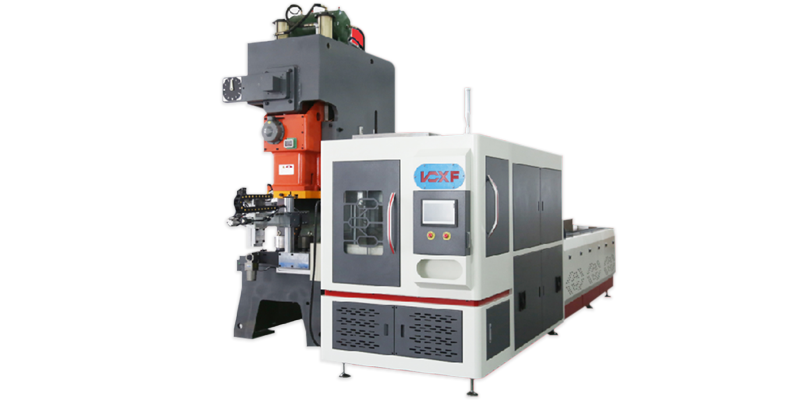
This equipment has an exquisite appearance and is highly integrated: it integrates feeding, heating,...
View More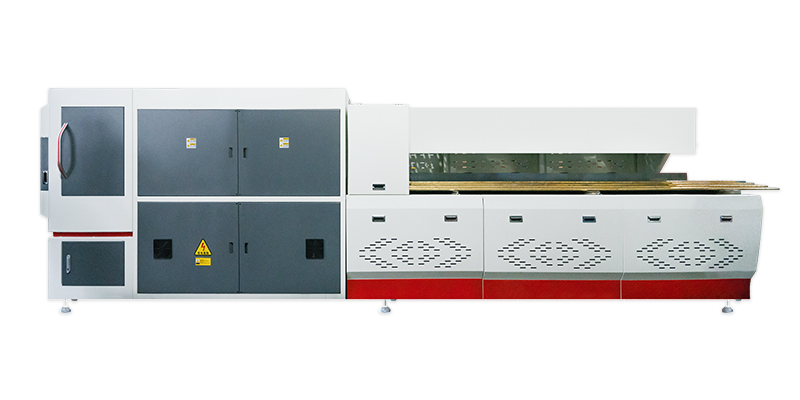
This equipment has an exquisite appearance and is highly integrated: it integrates feeding, heating,...
View MoreCopyright © Taizhou Huanlian Technology Co., Ltd. Rights Reserved.
Sale Hot Forging Machine Factory

