


 русский
 عربى
عربى
80T/125T Fully Automatic Hot Forging All-In-One Machine
This equipment has an exquisite appearance and is highly integrated: it integrates feeding, heating,...
View MoreDigital manufacturing is rapidly reshaping metal processing plants across the world. Smart production no longer belongs only to automotive giants or large-scale steel factories. Brass forging workshops are now adopting automation, data monitoring, robotic handling, and predictive maintenance to improve productivity and reduce operational costs. A growing number of manufacturers are upgrading traditional equipment into connected production systems capable of real-time communication and process optimization.
Modern production facilities increasingly rely on Smart Brass Forging Machinery to achieve stable output quality, shorter cycle times, and reduced labor dependence. At the same time, many factories are replacing older presses with a more advanced Brass Hot Die Forging Machine designed for automated feeding, intelligent temperature control, and integrated robotic operation. Our company has seen significant demand from valve manufacturers and brass fitting producers seeking equipment that can support Industry 4.0 transformation.
Industrial automation is no longer just about replacing workers with machines. True Industry 4.0 readiness means creating a forging system capable of collecting data, analyzing performance, predicting failures, and optimizing production continuously.
Traditional forging workshops often depend on operator experience to manage production conditions. This approach can create unstable product quality and inconsistent machine utilization.
Industry 4.0-ready forging systems solve this issue through sensor integration and digital monitoring.
Key monitoring functions include:
Modern PLC systems can display operational data directly on touchscreen control panels. Factory managers can monitor multiple machines from a central control room, improving overall production visibility.
Our company integrates intelligent monitoring modules into forging equipment so customers can analyze machine performance in real time through industrial communication protocols.
Labor-intensive handling remains one of the largest bottlenecks in conventional forging plants. Manual loading introduces several risks:
Industry 4.0 forging lines increasingly adopt robotic handling systems and automated feeding devices.
A modern brass forging line may include:
Integrated automation allows stable continuous production with fewer interruptions.
According to industrial forging equipment data, automated brass forging presses commonly operate between 20 and 50 strokes per minute depending on tonnage and product geometry.
Temperature management directly affects brass forging quality. Excessive heat may damage material composition, while insufficient temperature can increase cracking risks and forging defects.
Discussions among metalworking communities frequently mention overheating problems during brass processing.
Industry 4.0-ready forging systems address these challenges through intelligent thermal control.
Advanced systems may include:
Our company designs forging systems with stable temperature management to reduce scrap rates and improve dimensional consistency.
Many customers producing brass valves and plumbing fittings require temperature deviation within a narrow operational range to maintain forging reliability during long production runs.
A standalone forging machine cannot fully support Industry 4.0 objectives. Connectivity between machines is equally important.
Modern factories increasingly demand:
Connected forging equipment allows managers to analyze:
Remote diagnostics also reduce maintenance response time. Engineers can identify abnormal conditions before serious failures occur.
Our company focuses on integrating industrial automation systems into forging equipment to help customers build intelligent manufacturing workshops rather than isolated machines.
Unexpected machine shutdowns remain one of the biggest challenges in forging production.
Industry 4.0 introduces predictive maintenance strategies using:
These systems can identify early signs of wear before major breakdowns occur.
Traditional maintenance often relies on fixed schedules, which may replace components too early or too late. Predictive systems improve maintenance efficiency by using actual operational data.
Large forging presses operating at 250 to 600 tons generate significant mechanical stress during continuous production.
Condition monitoring becomes increasingly important under these operating conditions.
Hot forging environments expose workers to:
Robotic integration significantly improves workplace safety.
Robots can perform:
Consistent robotic movement also improves positioning accuracy during forging cycles.
Fully enclosed forging systems with automated operation reduce smoke exposure and workplace noise while maintaining stable production conditions.
Artificial intelligence is gradually entering forging technology.
Recent research shows machine learning models can predict microstructure changes during forging processes using temperature data and predictive control systems.
Future forging systems may automatically optimize:
AI-assisted production could help manufacturers reduce defects while improving material efficiency.
Industry 4.0 readiness increasingly depends on how effectively equipment can collect and utilize production data.
Manufacturers evaluating forging equipment upgrades should consider several important questions:
Equipment lacking digital communication capabilities may become difficult to integrate into future smart factories.
Expandable automation architecture helps manufacturers upgrade production gradually rather than replacing complete systems.
Remote access improves maintenance response speed and production management.
Modern servo systems and intelligent heating control can reduce energy consumption significantly.
Stable operation becomes critical in high-volume brass valve manufacturing.
Global manufacturing competition continues to increase. Customers expect shorter delivery times, stable quality, and traceable production records.
Factories still relying on outdated forging systems may face:
Industry 4.0 transformation is no longer limited to large multinational manufacturers. Small and medium-sized forging companies are also investing in intelligent automation to remain competitive.
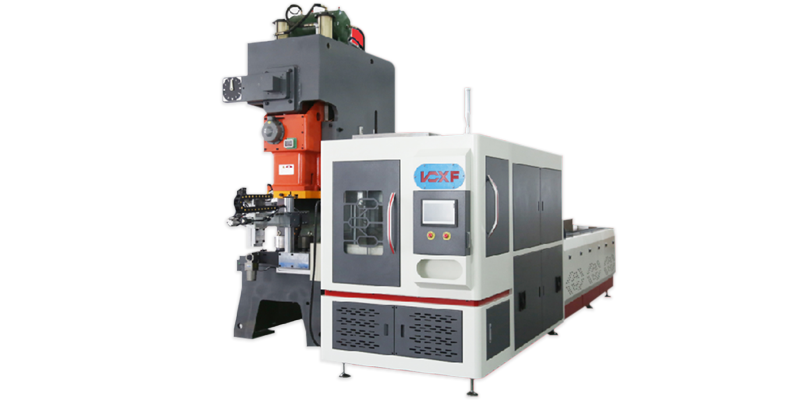
This equipment has an exquisite appearance and is highly integrated: it integrates feeding, heating,...
View More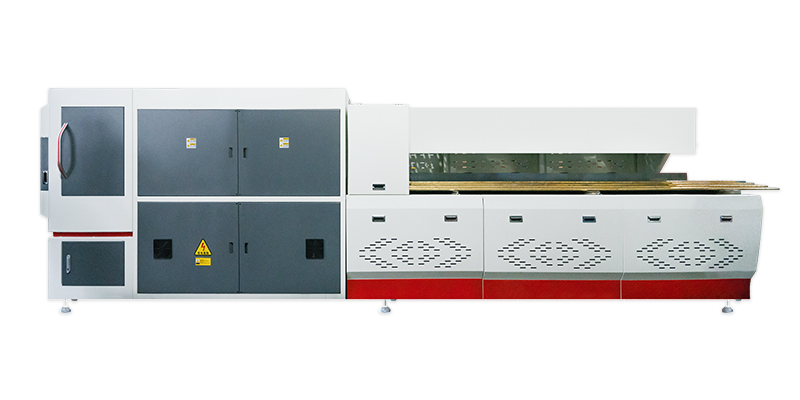
This equipment has an exquisite appearance and is highly integrated: it integrates feeding, heating,...
View MoreCopyright © Taizhou Huanlian Technology Co., Ltd. Rights Reserved.
Sale Hot Forging Machine Factory

