


 русский
 عربى
عربى
80T/125T Fully Automatic Hot Forging All-In-One Machine
This equipment has an exquisite appearance and is highly integrated: it integrates feeding, heating,...
View MoreRising labor costs, stricter dimensional requirements, and pressure to shorten production cycles are pushing many manufacturers to upgrade their forging workshops. A modern production line built around a Smart Brass Forging Machinery system can significantly improve output consistency while reducing long-term operating costs. Many factories upgrading from conventional presses are also comparing the productivity advantages of a high-speed Brass Hot Die Forging Machine designed for automated feeding, precise temperature control, and stable forming pressure.
Our company has seen growing demand from valve manufacturers, plumbing fitting suppliers, electrical hardware producers, and automotive component factories looking to calculate the real return on investment before purchasing forging equipment.
Traditional forging workshops often rely heavily on manual loading and operator experience. That creates several hidden costs:
A modern brass forging line changes the equation by introducing automation and process repeatability.
Typical production improvements may include:
| Production Factor | Conventional Equipment | Smart Forging Equipment |
| Stroke consistency | Moderate | High |
| Scrap rate | 8%–12% | 2%–5% |
| Labor requirement | High | Reduced |
| Production speed | Manual dependent | Automated cycle |
| Die life | Shorter | Extended |
Factories processing brass valves, unions, plumbing fittings, or electrical connectors often recover equipment investment faster because these products require high-volume repeat production.
ROI calculations in brass forging usually focus on three areas:
A forging press operating at 20–40 strokes per minute can dramatically improve output compared with older friction presses. Modern forging systems can maintain stable performance during long production cycles. Some industrial forging presses operate between 400 and 800 tons depending on product size and material requirements.
Example:
That increase alone can shorten payback periods substantially.
Brass material costs continue to fluctuate globally. Even a small reduction in scrap percentage creates measurable savings over time.
Advanced forging systems help reduce defects through:
Factories producing thin-wall brass fittings especially benefit from stable deformation control.
Modern forging lines integrate:
One operator may supervise multiple production stages instead of manually handling every forging cycle.
Energy efficiency has become a major factor in ROI analysis.
Older forging systems may consume excessive electricity because of:
New-generation equipment often integrates servo systems or optimized hydraulic designs that improve energy utilization.
Some factories report:
Our company focuses heavily on integrating efficient heating and motion control systems because energy savings continue every day after installation.
Forging dies are expensive consumables in brass production.
Poor machine stability creates:
A stable forging structure helps extend die life significantly.
Key structural features include:
Several high-capacity brass forging presses use slide strokes between 300 mm and 520 mm depending on tonnage and application requirements.
Longer die life means:
Manufacturers supplying export markets often face strict dimensional tolerances and surface quality requirements.
Smart forging systems help improve:
Automation also reduces human error during repetitive operations.
AI-assisted forging control and predictive monitoring are becoming more common in advanced forming systems. Research into intelligent forging process control shows that temperature prediction and process optimization can improve microstructural consistency and product quality.
Our company continues investing in intelligent monitoring technology because many customers want stable long-term production rather than simple machine replacement.
Low purchase price does not always mean low operating cost.
Factories sometimes overlook:
Reliable brass forging equipment should support long continuous operation with simplified maintenance access.
Common maintenance-friendly features include:
A stable machine with fewer stoppages often generates higher long-term ROI than cheaper equipment with frequent failures.
Many manufacturers initially purchase one forging line but later expand into:
Equipment compatibility becomes important during expansion planning.
A scalable forging system helps manufacturers:
Our company works with customers planning long-term production growth rather than short-term capacity increases only.
ROI varies depending on:
Typical payback periods may range from:
Factories operating multiple shifts usually achieve faster returns because the equipment utilization rate remains high.
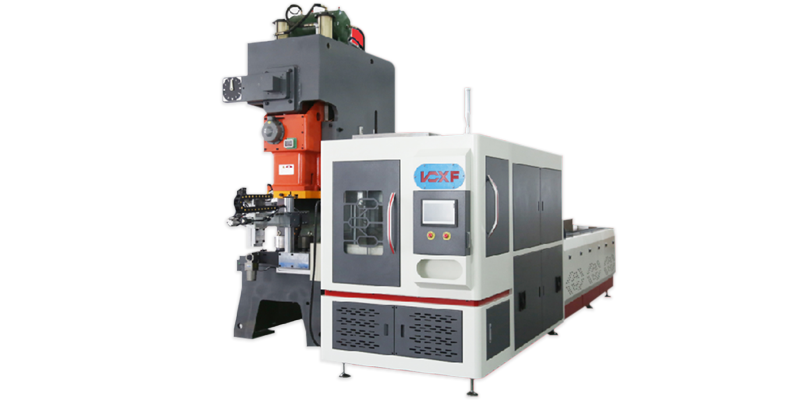
This equipment has an exquisite appearance and is highly integrated: it integrates feeding, heating,...
View More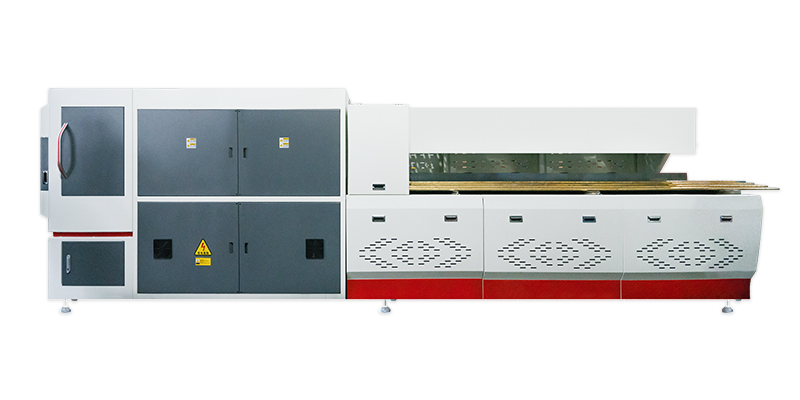
This equipment has an exquisite appearance and is highly integrated: it integrates feeding, heating,...
View MoreCopyright © Taizhou Huanlian Technology Co., Ltd. Rights Reserved.
Sale Hot Forging Machine Factory

