


 русский
 عربى
عربى
80T/125T Fully Automatic Hot Forging All-In-One Machine
This equipment has an exquisite appearance and is highly integrated: it integrates feeding, heating,...
View MoreRising electricity prices and stricter environmental requirements are pushing metal manufacturers to rethink traditional production methods. Energy consumption has become a big operating expense in brass component manufacturing, especially during heating, forming, and die handling stages. Modern factories are now turning toward digital control systems, servo automation, and intelligent temperature monitoring to improve efficiency without reducing output quality.
A new generation of Smart Brass Forging Machinery is changing the way manufacturers manage production energy. Advanced automation, real-time sensing, and optimized heating cycles are helping factories reduce waste heat, stabilize forging temperatures, and shorten idle machine time. At the same time, many companies upgrading to a modern Brass Hot Die Forging Machine are reporting lower power usage per forged part and more stable production consistency.
Heating accounts for a major percentage of energy use in brass forging operations. Traditional systems often overheat billets to avoid temperature variation, but this approach increases electricity consumption and accelerates material oxidation.
Smart forging equipment introduces:
A smart induction furnace can maintain brass billet temperatures within ±5°C instead of broader fluctuations seen in older systems. Stable temperature control reduces overheating and decreases scale formation on brass surfaces.
Typical heating temperatures for brass forging applications include:
| Process | Temperature Range |
| Brass billet heating | 680°C – 780°C |
| Die preheating | 180°C – 320°C |
| Controlled forming zone | 700°C ± 10°C |
Accurate thermal management means less reheating and shorter cycle times. Factories can therefore reduce energy waste while improving part consistency.
Conventional forging presses continue consuming large amounts of power even during non-working stages. Hydraulic systems may run continuously throughout production shifts regardless of actual forming activity.
Modern smart forging equipment uses servo-driven systems that adjust energy consumption according to operational demand. This design allows motors to slow down or pause during inactive periods.
Benefits include:
Some advanced forging lines can reduce overall electrical consumption by 15% to 30% after switching from traditional hydraulic systems to servo-controlled presses. Research into AI-assisted forging control also shows that predictive process adjustment can improve heating efficiency and reduce production waste.
Our company has found that servo automation becomes especially valuable during multi-shift production, where idle machine hours accumulate significantly over time.
Production speed directly affects energy cost per part. A forging machine operating slowly consumes more electricity over longer processing periods.
Modern forging equipment increases efficiency through:
Several industrial hot forging presses now operate at 20–70 strokes per minute depending on tonnage and application.
Example machine specifications include:
| Machine Type | Nominal Force | Stroke Rate |
| 250 Ton Forging Press | 250 ton | 25–50 spm |
| 400 Ton Forging Press | 400 ton | 20–35 spm |
| 500 Ton Forging Press | 500 ton | 40–70 spm |
| 600 Ton Forging Press | 600 ton | 17 spm |
Higher production efficiency means the same number of parts can be produced using fewer operating hours, which lowers electricity costs across the entire manufacturing cycle.
Die wear increases energy usage indirectly. Worn dies create higher friction during forging and often require repeated forming operations.
Smart forging systems improve die performance through:
Stable die temperatures help reduce thermal shock and cracking. Proper lubrication also lowers resistance during material flow, reducing the force required for each forging cycle.
Our company has seen customers extend die service life by improving process stability rather than simply changing die materials. Longer die life reduces downtime, minimizes scrap production, and cuts the energy cost linked to repeated tool replacement.
Manual transfer between furnace and press can waste thermal energy rapidly. Brass billets lose temperature during transport, forcing operators to increase furnace temperatures to compensate.
Smart automation reduces this problem using:
Shorter transfer times help preserve billet heat, reducing the need for additional reheating. Automated handling also improves operator safety and production repeatability.
Advanced forging lines can integrate heating, feeding, forging, trimming, and unloading into a continuous automated cycle. Manufacturers adopting this approach often achieve better energy efficiency together with improved production stability.
Energy savings become easier to achieve once factories understand exactly where electricity is being consumed.
Smart forging systems can monitor:
Digital dashboards allow engineers to identify inefficient production stages immediately. Instead of relying on manual estimation, operators can make real-time adjustments based on actual machine data.
Some systems also support remote monitoring and cloud-based diagnostics, helping maintenance teams solve problems faster while reducing unexpected shutdowns.
Environmental regulations are becoming stricter across global manufacturing industries. Customers increasingly evaluate suppliers based on sustainability performance as well as production capability.
Energy-efficient forging systems help manufacturers reduce:
Improved process control also produces more consistent parts, reducing rejection rates and unnecessary rework.
Our company believes smart forging technology is no longer limited to large factories. Mid-sized brass forging manufacturers are also adopting intelligent production systems to remain competitive in energy-sensitive markets.
Smart manufacturing continues evolving rapidly across the forging industry. Future systems may include:
Machine learning systems are already being tested to optimize temperature control and reduce forging defects automatically.
As energy costs continue rising globally, intelligent forging equipment will likely become a standard requirement rather than an optional upgrade.
Our company continues focusing on efficient brass forging technologies that help manufacturers improve production stability while lowering long-term operational expenses.
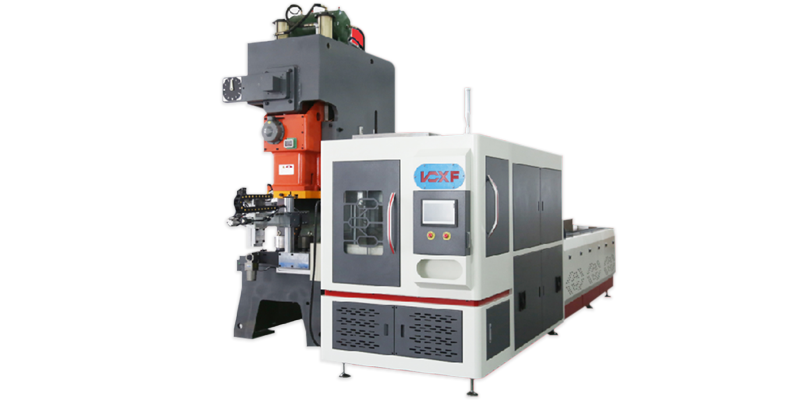
This equipment has an exquisite appearance and is highly integrated: it integrates feeding, heating,...
View More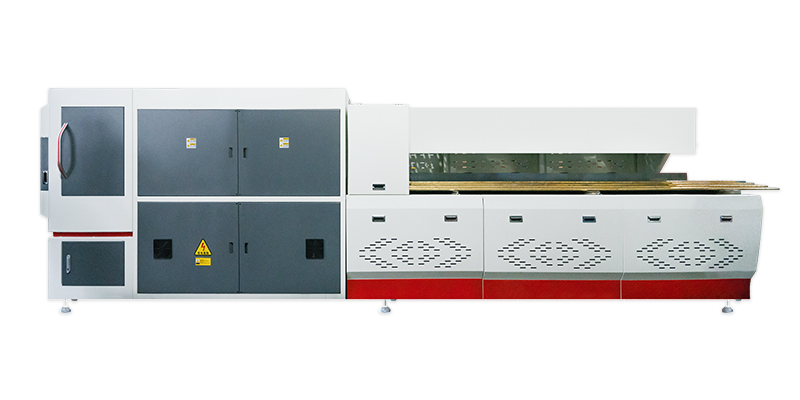
This equipment has an exquisite appearance and is highly integrated: it integrates feeding, heating,...
View MoreCopyright © Taizhou Huanlian Technology Co., Ltd. Rights Reserved.
Sale Hot Forging Machine Factory

