


 русский
 عربى
عربى
80T/125T Fully Automatic Hot Forging All-In-One Machine
This equipment has an exquisite appearance and is highly integrated: it integrates feeding, heating,...
View MoreBrass hot forging remains a critical process for shaping high-performance metal components across industries, yet many manufacturers and workshop operators still face recurring quality concerns on their Brass Hot Forging Equipment and within a complex Brass Hot Forging Production Line. Cracking in brass forgings is among the more frequently reported issues discussed across forums, industrial groups, and metalworking communities — causing many to ask whether forging cracks are simply part of working with brass alloys or something that can be prevented with better control and practice.
What Causes Cracking During Brass Hot Forging?
Users frequently describe cracked workpieces and splitting during deformation, often questioning whether overheating or improper temperature control is the main culprit. Brass is sensitive to temperature because of its alloy composition — particularly variations in zinc content — which affects both ductility and resistance to cracking during deformation. Excessive heat can cause volatile elements like zinc to evaporate, weakening the alloy and triggering internal voids or brittle zones that ultimately result in cracks.
Another factor discussed in community conversations is material flow stability inside forging dies. Uneven plastic flow can generate localized stress concentrations during the forging process, which increases the likelihood of hot cracking or flash formation. Studies comparing micro-structural outcomes show that when stress distribution is not uniform in intricate geometries, crack initiation becomes statistically more probable.
Practical Challenges on the Production Floor
Operators using advanced Brass Hot Forging Equipment often share that even with consistent heating methods — such as induction heating or controlled furnace environments — challenges remain. Typical hot forgings performed above the recrystallization temperature are intended to maintain ductility and allow shaping with less work hardening, yet brass alloys can still vary significantly in behavior depending on composition and processing history.
Beyond temperature control, another common difficulty in a full Brass Hot Forging Production Line is maintaining consistent deformation rates. Rapid forging without adequate control may accelerate work hardening, resulting in brittle zones and surface cracks. Annealing cycles are sometimes recommended between deformation steps to restore ductility, but correct timing and temperature must be carefully managed to avoid introducing additional stress.
Operator Insights and Observations
Many discussions among skilled metalworkers reveal a few recurring insights that help mitigate cracking:
Monitoring and adjusting heating profiles closely to avoid overburning the brass billet.
Using incremental forging and reheating where appropriate to reduce internal strain.
Ensuring tooling and dies are properly matched to alloy characteristics to minimize localized stress build-up.
These practical adjustments, while not foolproof, help improve outcomes for operators using brass hot forging technologies.
How Companies Are Responding
Companies like Taizhou Huanlian Technology Co., Ltd. that develop and supply industrial metal forming systems are increasingly incorporating sensor-based monitoring and more precise temperature control mechanisms in their equipment designs. Such refinements help users maintain tighter process windows within a Brass Hot Forging Production Line, which can reduce the incidence of cracking and improve overall throughput.
Equipment with adjustable heating zones and real-time process feedback can help operators make informed decisions on when to forge, reheat, or adjust tooling — especially in complex geometries that are prone to stress inhomogeneities during die forging. These advancements reflect broader trends in manufacturing towards more consistent, data-informed processes.
Is Cracking Unavoidable?
While no process is entirely free from challenges, cracking during brass forging is not an unavoidable outcome. With better understanding of how brass alloys behave under thermal and mechanical loads, operators can refine practices on their Brass Hot Forging Equipment and across a complete Brass Hot Forging Production Line to reduce defects.
Overall, controlling temperatures, managing alloy composition, and ensuring proper flow behavior through tooling and die design represent key strategies that experienced practitioners emphasize time and time again. Though brass forging naturally presents more sensitivity to heat and stress than some other metals, many of the cracking issues can be effectively managed when proper techniques and modern process controls are applied.
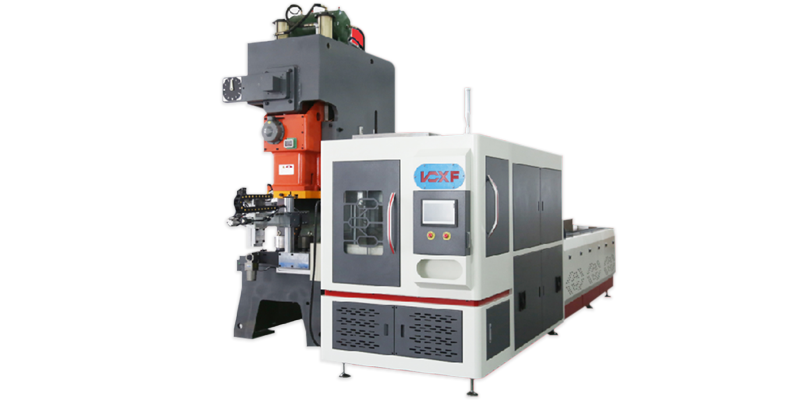
This equipment has an exquisite appearance and is highly integrated: it integrates feeding, heating,...
View More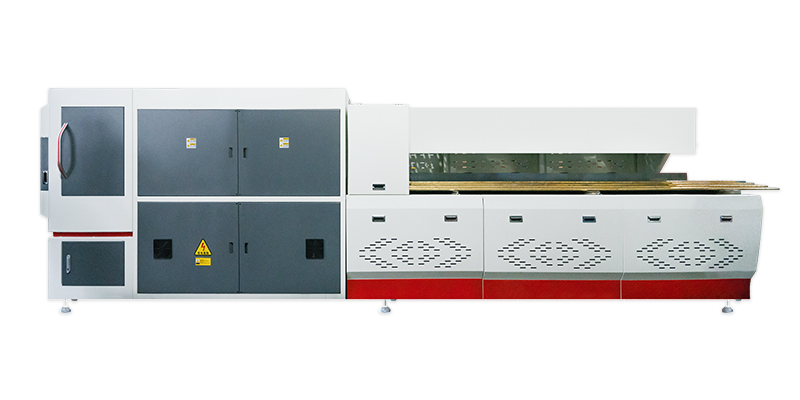
This equipment has an exquisite appearance and is highly integrated: it integrates feeding, heating,...
View MoreCopyright © Taizhou Huanlian Technology Co., Ltd. Rights Reserved.
Sale Hot Forging Machine Factory

