


 русский
 عربى
عربى
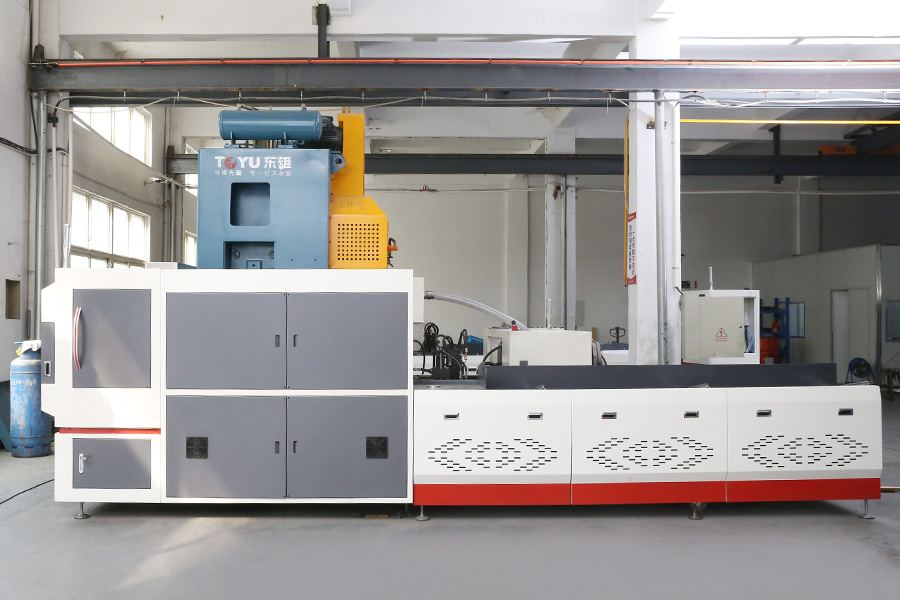
80T/125T Fully Automatic Hot Forging All-In-One Machine
This equipment has an exquisite appearance and is highly integrated: it integrates feeding, heating,...
View MoreWhen manufacturers pursue tighter tolerances and improved mechanical performance, Hot Forging Processing Technology becomes an indispensable method for producing robust and intricate parts. Yet, achieving precision in hot forging involves more than just heating and pressing metal. Engineers commonly encounter challenges related to dimensional control, microstructure consistency, and die design. That’s where the role of Customize Hot Forging Equipment proves crucial. Companies like Taizhou Huanlian Technology Co., Ltd. work closely with clients to tailor presses, dies, and loading systems that match the specific demands of their applications.
Precision forging is distinct from standard forging in that it demands exacting accuracy, minimal post‑processing, and repeatable results across batches. Many manufacturers moving from traditional forging to precision setups find that deeper attention to process variables pays dividends in quality and cost efficiency.
Precision in hot forging isn’t just about achieving close tolerances; it reflects how well the component’s intended function aligns with its final geometry. Inaccuracies at this stage often require additional machining, which increases delivery times and costs.
Dimensional Precision: Forged parts must meet predetermined dimensions consistently across hundreds or thousands of units. Variations often originate from uneven force application or inconsistent die wear.
Microstructural Uniformity: The finer grain structure achieved through controlled hot forging improves strength and fatigue resistance. However, uneven temperature distribution can cause variations within a part.
Repeatability: Precision forging must guarantee that each cycle produces consistent results. Uneven heating or machine vibration can translate into unacceptable differences in finished parts.
These factors must be managed cohesively, requiring both process discipline and suitable machinery.
Die geometry directly affects metal flow and distribution throughout the forging operation. Poorly designed dies frequently result in defects and dimensional inconsistencies.
Material Flow Optimization: Sophisticated forging die designs consider how metal moves under pressure and temperature. Sharp corners or inadequate fillets can impede flow, causing folds or unfilled sections.
Thermal Management Features: Dies that incorporate thermal control mitigate the risk of local overheating or premature cooling, both of which cause dimensional distortion.
Tool Life and Wear Rates: High‑precision dies must resist wear over prolonged production while sustaining alignment and shape fidelity.
Forging simulation tools help engineers visualize how materials behave in specific die configurations, enabling iterative refinement before costly tooling is produced.
Temperature gradients and force application are among the more critical variables in hot forging.
Consistent Heating: The billet must reach and maintain a uniform temperature throughout its volume. Variations can create differential deformation rates that cause cracks or dimensional shifts.
Force Regulation: Presses must deliver stable force profiles to ensure that the die cavity fills properly. Unsteady or fluctuating force leads to misruns and mismatches between parts.
Process Mapping: Establishing process windows that define ideal temperature and pressure ranges improves repeatability and reduces the risk of internal defects.
High‑quality presses with advanced control systems enhance these aspects and contribute to greater precision.
Every precision forging application is unique. Factors such as part geometry, target material properties, production volume, and environmental conditions necessitate tailor‑made solutions.
Custom Press Configurations: Standard presses may not provide the exact motion profiles or force curves needed for specific precision parts. Custom presses designed around specific part requirements produce more reliable outcomes.
Integrated Feedback Systems: Sensors and monitoring setups embedded in customized equipment provide real‑time data on temperature, force, and alignment, enabling on‑the‑fly adjustments.
Die Set Modularization: Modular die sets facilitate rapid changeovers and reduced downtime, especially valuable for mid‑to‑high volume production scenarios.
For example, precision aerospace components often require synchronization between multiple forging actions, something off‑the‑shelf equipment may fail to deliver.
Even with well‑designed equipment and process plans, robust quality assurance measures are essential.
Non‑Destructive Testing (NDT): Techniques such as ultrasonic testing and radiography help detect internal defects that are not visible externally.
Statistical Process Control (SPC): Monitoring key variables like temperature, force, and cycle time enables early detection of drifts that could compromise precision.
Routine Calibration: Regular calibration of presses and furnaces ensures that control systems remain accurate and responsive.
Continuous improvement practices based on real production data deliver better precision and lower scrap rates over time.
Precision in hot forging doesn’t emerge from chance. It results from a deliberate combination of well‑engineered Hot Forging Processing Technology, thoughtful customization of equipment, and disciplined process control. Die design, temperature consistency, and force control all contribute to the dimensional accuracy and performance characteristics of finished parts. Custom forging solutions, like those developed at Taizhou Huanlian Technology Co., Ltd., help manufacturers address specific challenges across industries — from consumer products to heavy engineering sectors. By aligning process requirements with tailored equipment features and rigorous quality assurance, forging operations can achieve the reproducibility and accuracy demanded in modern precision manufacturing.
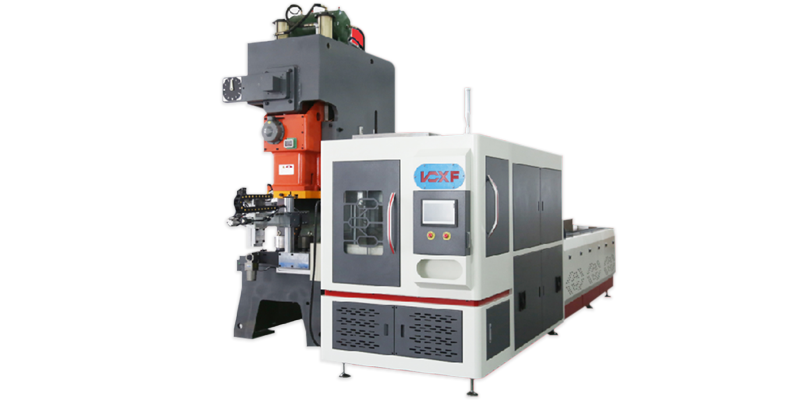
This equipment has an exquisite appearance and is highly integrated: it integrates feeding, heating,...
View More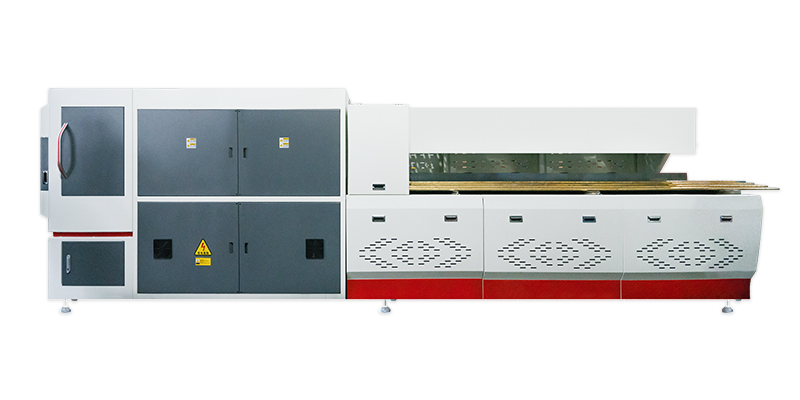
This equipment has an exquisite appearance and is highly integrated: it integrates feeding, heating,...
View MoreCopyright © Taizhou Huanlian Technology Co., Ltd. Rights Reserved.
Sale Hot Forging Machine Factory

