


 русский
 عربى
عربى
80T/125T Fully Automatic Hot Forging All-In-One Machine
This equipment has an exquisite appearance and is highly integrated: it integrates feeding, heating,...
View MoreMany manufacturers using a Hot Forging Machine and associated Hot Forging Machine Tool sets have asked whether safety risks remain a significant challenge in production environments where high-temperature metal deformation, heavy mechanical motion, and human operators come together. Users have reported concerns about thermal exposure, moving parts, and workplace hazards that could result in injuries or operational disruptions. Understanding these risks and practical ways to address them helps both new and experienced operators improve safety culture and reduce incidents on the forging floor.
One of the foremost safety concerns in hot forging environments is thermal risk. Workpieces, dies, and tooling surfaces reach extremely high temperatures during forging processes, and accidental contact with these heated elements can cause severe burns or other injuries. Even brief exposure to hot metal or tooling surfaces can cause serious skin damage. In addition, heating furnaces and induction systems used for workpiece preparation generate radiant heat that increases ambient temperatures, making protective clothing and awareness essential for worker safety.
Fumes and airborne particulates are another thermal hazard. As metals oxidize at high temperatures and scale forms on the surface, particles may become airborne, which irritates skin and respiratory systems. In some cases, poor ventilation compounds these risks, particularly in older facilities or shops without advanced exhaust systems.
Beyond heat, the mechanical movement of forging equipment poses significant safety challenges. Presses, hammers, and automated manipulators exert massive forces to shape metal, often with rapid motion that can injure operators if proper safeguards are not in place. Mechanical hazards include the potential for crushing or pinching injuries from moving press slides, ram units, and die clamping systems. This risk escalates when operators attempt to adjust tooling or clear jams without adequate lock-out/tag-out procedures.
Flying debris and fragments also present a hazard during forging operations. Scale, broken metal fragments, or tooling debris can be expelled from the work area at high speed, posing the risk of cuts, eye injuries, or more severe traumas unless appropriate guards and personal protective equipment (PPE) are used. Protective shields, interlocked guards, and machine barriers are essential to contain these risks.
Many hot forging lines incorporate hydraulically driven presses, manipulators, or lift systems. Hydraulic system failures—such as leaks, pressure loss, or component malfunction—can create sudden and dangerous situations. Hydraulic fluid under pressure can spray oil at high velocity if seals or hoses fail, risking burns or injection injuries to operators. Proactive maintenance and monitoring of hydraulic lines, seals, and fittings significantly reduce the likelihood of such failures.
Automated control system malfunctions are another mechanical risk area. Faulty sensors, wiring errors, or software issues may cause unintended movement or miscommunication between machine components, which can cause to inaccurate positioning or erratic motion. Well-documented inspection routines and redundant safety systems help ensure that such errors are detected and resolved before they cause harm.
Forging shop floors are busy, dynamic environments where multiple processes occur simultaneously. Users have pointed out hazards such as slips, trips, and falls due to scale, lubricants, and metal fragments on the floor. Poor housekeeping, cluttered walkways, and inadequate flooring surfaces contribute to these risks. Regular cleaning and floor maintenance programs help maintain safe working conditions alongside machine-specific safety measures.
Ergonomic concerns also deserve attention, as forging operators often handle heavy materials and tooling components, causing to musculoskeletal strain if proper handling practices are not followed. Training in correct lifting techniques and equipment like material handling aids reduces these physical stressors.
Effective safety management in hot forging environments combines engineering controls, administrative safeguards, and personal protective equipment:
Engineering Controls: Install interlocked guards, emergency stops, light curtains, and machine enclosures to keep operators clear of moving parts. Sensors and PLC-based safety systems detect abnormal behavior and halt machine motion automatically.
Administrative Safeguards: Robust training programs ensure operators understand machine behavior, hazard recognition, and correct procedures. Clearly written standard operating procedures (SOPs), regular safety drills, and lock-out/tag-out practices strengthen safety culture.
Personal Protective Equipment (PPE): Heat-resistant gloves, safety goggles, face shields, and hearing protection shield workers from burns, flying debris, and loud noise typical of forging presses and hammers. Adequate ventilation and respiratory protection further guard against fumes.
Safety is not a one-time checklist but a continuous improvement process. At Taizhou Huanlian Technology Co., Ltd., we encourage forging companies to integrate safety considerations into equipment selection, plant layout, and daily operations. A well-implemented safety program not only protects workers but also boosts productivity by reducing downtime from accidents and unplanned maintenance.
In conclusion, while hot forging processes inherently involve energy, heat, and force, understanding the risks around Hot Forging Machines and Hot Forging Machine Tools—and implementing comprehensive safety practices—can significantly reduce incidents and create a more reliable, productive manufacturing environment.
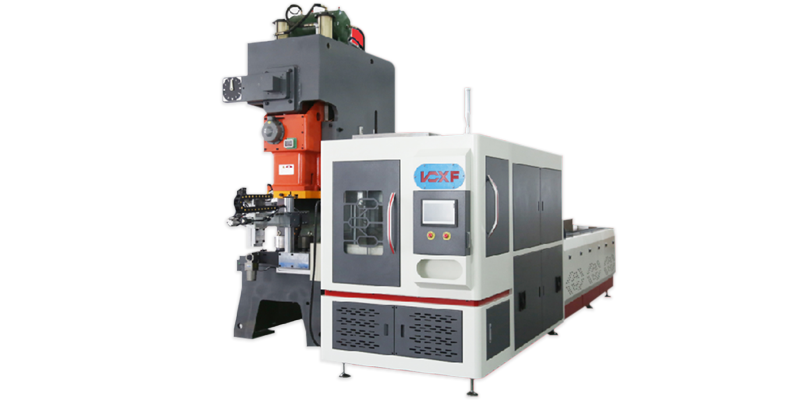
This equipment has an exquisite appearance and is highly integrated: it integrates feeding, heating,...
View More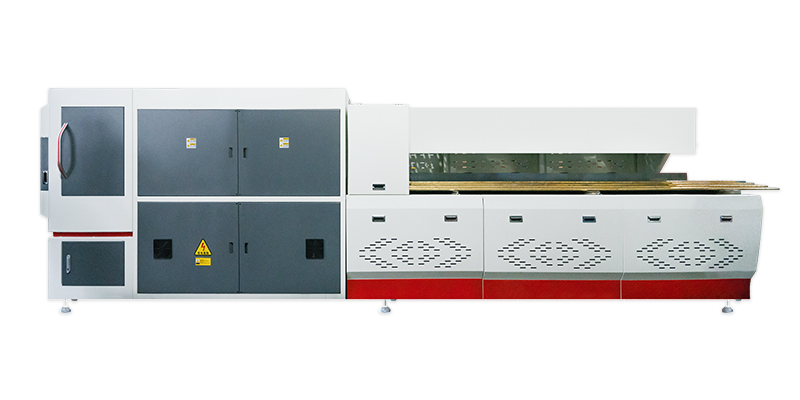
This equipment has an exquisite appearance and is highly integrated: it integrates feeding, heating,...
View MoreCopyright © Taizhou Huanlian Technology Co., Ltd. Rights Reserved.
Sale Hot Forging Machine Factory

