


 русский
 عربى
عربى
80T/125T Fully Automatic Hot Forging All-In-One Machine
This equipment has an exquisite appearance and is highly integrated: it integrates feeding, heating,...
View MoreHot forging production increasingly depends on robust Hot Forging Machines to deliver high volume and consistent quality, yet many manufacturers still encounter frequent die wear problems linked to tooling performance and process stresses. A key component like the Hot Forging Machine Tool directly influences forging life and product quality, making its durability and handling critical areas of concern. At Taizhou Huanlian Technology Co., Ltd., we work closely with forging plants to understand why tooling wear happens and how to manage it effectively for stable production.
Die wear and failure are among the more reported challenges in hot forging operations, arising from a combination of mechanical loads, thermal cycling, and friction during metal deformation. In hot forging environments, the die surface is repeatedly heated above 800 °C as it contacts the workpiece and then cooled, creating intense thermal stress cycles that contribute to wear and cracking. According to research into failure patterns in hot forging tools, abrasive wear accounts for a significant portion of die failures, with mechanical fatigue and thermal cracking also playing major roles in tool degradation.
Abrasive wear happens as hot metal flows across the die surface, progressively removing small particles and roughening the tool interface. Over time, this reduces surface finish quality and changes contact conditions, potentially causing dimensional problems in forged parts. Mechanical fatigue cracking stems from repeated load cycles that cause microcracks to form and propagate under stress until visible breakage occurs. Meanwhile, thermal cracking results from differential expansion and contraction during heating and cooling cycles, creating stress fractures that weaken the die structure.
Several factors contribute to the frequency of die wear, and understanding them helps forge operators devise more effective countermeasures:
1. Improper Temperature Control
Temperature inconsistencies in the workpiece or tooling result in irregular thermal stresses. When billets or dies are not uniformly heated, localised thermal strain accelerates degradation. Accurate thermal monitoring throughout the process is essential to keep temperatures within ideal forging ranges.
2. Material Hardness and Inclusions
Raw material quality directly affects tooling life. Billets with internal inclusions, gas voids, or impurities can create abrasive conditions inside the die cavity, accelerating wear. Ensuring material purity and appropriate pre-forging treatment reduces these abrasive interactions.
3. High Contact Pressure and Friction
Because hot forging involves significant force to deform metals, contact between the workpiece and die face is intense. Friction further exacerbates wear, especially where lubrication is insufficient or inconsistent. Implementing adequate lubricants and coatings can help reduce direct metal-metal contact and slow abrasive action.
To manage die wear and improve production stability, forging shops should consider a combination of preventive measures:
Regular Maintenance and Polishing
Routine inspection of die surfaces can detect early signs of wear or micro-cracks. Polishing worn areas and replacing tooling at appropriate intervals prevents sudden failures that cause costly downtime. Scheduled maintenance also allows operators to assess die alignment and correct any deviation before major wear occurs.
Advanced Die Materials and Coatings
Using enhanced die materials or surface coatings designed for high-temperature wear resistance can significantly extend tool life. Coatings such as nitrides, carbides, or specialized heat-resistant alloys help reduce direct abrasive contact and delay the onset of wear. These innovations are particularly effective in high-load forging applications.
Optimized Cooling and Heating Practices
Balancing heating and cooling rates in both the billet and tooling helps mitigate thermal stress. Too rapid change in temperature amplifies thermal cracking risks, while slow, uniform heating promotes material ductility and reduces the stress applied to tooling surfaces. Advanced thermal control systems and monitoring improve consistency throughout production cycles.
Operational Training and Process Control
Operator training plays a crucial role in minimizing die wear. Skilled technicians can recognize early warning signs and adjust press settings, lubrication schedules, and cycle timing to protect tooling. Standardizing procedures and implementing quality control protocols ensures consistent handling and reduces variability that contributes to wear.
Frequent die wear in hot forging is not merely an equipment issue—it reflects the interaction between tooling, materials, and process management. By understanding the mechanical, thermal, and material factors that contribute to wear, manufacturers can take proactive steps to prolong the life of their Hot Forging Machine Tools and achieve more consistent production results. Through careful monitoring, maintenance, and process optimization, forging operations can stay productive and cost-efficient while meeting demanding quality requirements.
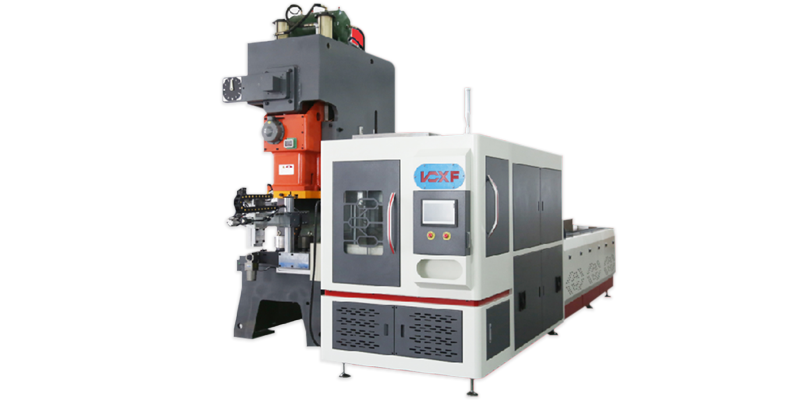
This equipment has an exquisite appearance and is highly integrated: it integrates feeding, heating,...
View More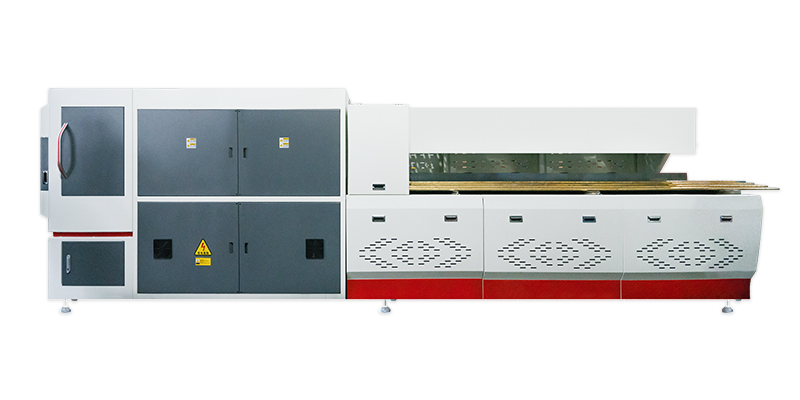
This equipment has an exquisite appearance and is highly integrated: it integrates feeding, heating,...
View MoreCopyright © Taizhou Huanlian Technology Co., Ltd. Rights Reserved.
Sale Hot Forging Machine Factory

