


 русский
 عربى
عربى
80T/125T Fully Automatic Hot Forging All-In-One Machine
This equipment has an exquisite appearance and is highly integrated: it integrates feeding, heating,...
View MoreEffective thermal management remains one of the key concerns for manufacturers using a modern Hot Forging Machine and complementary Hot Forging Machine Tool components, as uneven or incorrect heating can cause to defects, inconsistent quality, and higher operational costs. Many users have raised questions about how heating systems influence forging processes, what challenges arise during temperature control, and how these affect final part integrity. Understanding common heating issues and transitioning to better practices can help improve reliability and efficiency in forging environments.
Heat is at the heart of every hot forging operation. During forging, metal workpieces are heated to temperatures often well above 800 °C to make them malleable enough for deformation under compressive force. Proper heating ensures the metal flows correctly, fills die cavities, and develops the desired mechanical properties. Inadequate thermal conditions, however, compromise these objectives and result in multiple defect types that users frequently encounter in real-world applications.
A common challenge is uneven heating, where parts of the workpiece reach different temperatures due to inefficient heat transfer or inconsistent heating sources. Traditional heating methods, such as open flame or resistance heaters, often struggle to distribute heat uniformly across complex geometries. This phenomenon occurs because external heat sources do not penetrate the material equally, so sections may overheat while others remain underheated. Uneven heating affects the metallurgical structure and makes material flow unpredictable, increasing the risk of defects.
When a workpiece is not uniformly heated, several issues can arise during forging:
1. Poor Material Flow and Filling
Cold spots in the metal resist deformation, making it difficult to completely fill the die cavity. This can result in unfilled sections, laps, or dimensional flaws that fail quality checks. Proper heating reduces these concerns by ensuring consistent workpiece plasticity throughout deformation.
2. Increased Internal Stress
Temperature gradients create internal stresses within the metal. Differential contraction and expansion during forging and cooling can leave residual stresses, which may cause cracks once the part cools or is subjected to service loads. These micro-cracks further lower mechanical performance and limit part lifespan.
3. Inconsistent Grain Structure
Metal microstructure develops differently when parts are not uniformly heated. Uneven grain growth can reduce toughness and fatigue resistance, causing parts that do not meet required specifications even if they appear dimensionally correct.
Understanding why heating issues occur is crucial to solving them:
Traditional heating systems often lack control precision. Relying on manual or open heating methods makes maintaining exact temperature profiles difficult, especially for high-alloy or thick sections.
Metals vary in thermal conductivity, and intricate part shapes can create “cold spots” due to heat dissipation patterns during transfer. This issue escalates for complex components where geometric features trap heat differently.
Many forging shops lack real-time temperature monitoring or feedback systems integrated into heating furnaces. Without these, operators rely on estimated temperature zones rather than precise data, increasing risk of overheating or underheating.
Improving how heat is applied and controlled can significantly enhance forging quality and reduce scrap.
Utilizing furnaces with advanced temperature controls and uniform heat-distribution technologies helps minimize gradients. For example, induction or convection-based systems can deliver more consistent temperatures compared with open flame heating.
Incorporating temperature sensors and automation into heating processes allows real-time adjustments. Automated systems adjust power input based on sensor feedback, maintaining target temperatures throughout the cycle without overreliance on operator intuition.
Establishing consistent soak times and controlled temperature ramp-up rates ensures each workpiece reaches the appropriate forging temperature evenly, reducing variability between batches.
Modern manufacturing increasingly integrates process control with equipment capabilities. At Taizhou Huanlian Technology Co., Ltd., we work with customers to calibrate their heating protocols according to material grades and component geometry. By combining smart process design with robust machine performance, manufacturers see fewer thermal-related defects and more predictable quality outcomes.
Heating challenges affect every forging operation to some degree, but understanding their causes and impacts empowers manufacturers to take action. Better heating control translates into improved material flow, fewer defects, and more consistent part performance. As forging demands grow across industries, adapting heating technologies and optimizing temperature management becomes indispensable for competitive forging producers.
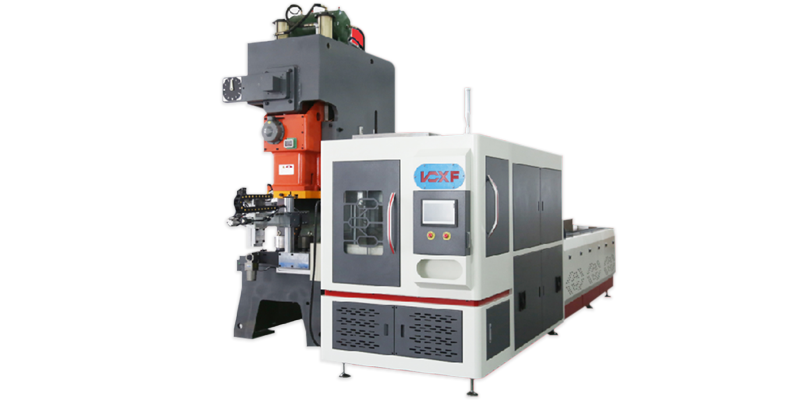
This equipment has an exquisite appearance and is highly integrated: it integrates feeding, heating,...
View More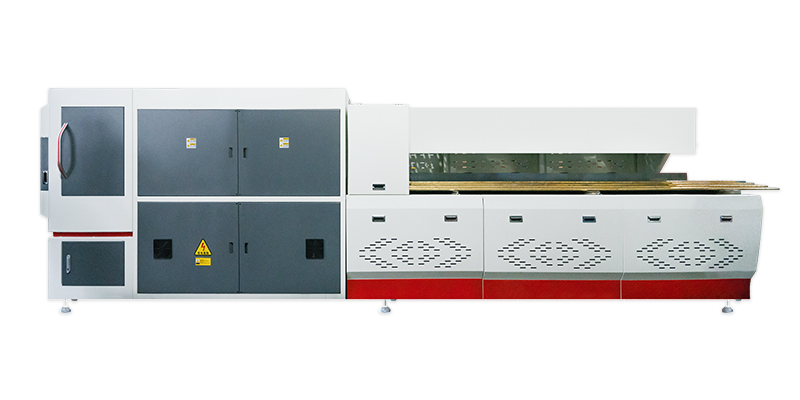
This equipment has an exquisite appearance and is highly integrated: it integrates feeding, heating,...
View MoreCopyright © Taizhou Huanlian Technology Co., Ltd. Rights Reserved.
Sale Hot Forging Machine Factory

