


 русский
 عربى
عربى
80T/125T Fully Automatic Hot Forging All-In-One Machine
This equipment has an exquisite appearance and is highly integrated: it integrates feeding, heating,...
View MoreProduct defects in forging operations often appear without warning, yet their origins are rarely random. Hot Metal Forging Equipment operates under harsh thermal and mechanical conditions, where small variations in process parameters can contribute to visible or internal flaws. Fully Automatic Forging Machines have improved consistency across production lines, but defects still occur due to complex interactions between temperature, material, tooling, and process control.
Taizhou Huanlian Technology Co., Ltd. has identified that more forging defects can be traced back to a limited number of root causes, which—once understood—can be systematically reduced or eliminated.
Core Categories of Forging Defects
Rather than viewing defects as isolated issues, industry practice groups them into three main categories:
Thermal-related defects
Material-related defects
Process and equipment-related defects
Each category influences how metal behaves during deformation and solidification.
1. Thermal Imbalance During Forging
Temperature control is one of the more critical factors in hot forging. Deviations in heating or cooling can directly result in structural defects.
Low forging temperature increases resistance to deformation, causing surface cracks
Excessive temperature weakens grain structure and reduces mechanical strength
Uneven cooling rates generate internal stress, often causing hidden cracks or distortion
Research shows that improper thermal control frequently leads to cracking and residual stress accumulation within forged components .
Additionally, rapid cooling may create internal “flakes,” which are micro-cracks that compromise long-term durability .
2. Raw Material Quality Issues
Defects sometimes originate before forging even begins. The billet itself can carry imperfections that become more severe during deformation.
Common material-related problems include:
Non-metallic inclusions weakening structural continuity
Gas porosity or voids expanding under pressure
Segregation of alloying elements affecting grain uniformity
Such imperfections reduce the material’s ability to withstand stress, making it more prone to cracking during forging .
Maintaining strict raw material inspection standards is essential to prevent these issues from propagating into finished parts.
3. Die Design and Metal Flow Restrictions
Metal flow behavior is heavily influenced by die geometry. Poorly designed dies can disrupt the natural movement of heated metal.
Typical outcomes include:
Folds or laps, where material overlaps without bonding
Cold shuts, caused by incomplete fusion of metal streams
Unfilled sections, resulting in incomplete part formation
Sharp corners and insufficient radii in die cavities are major contributors to these defects, as they restrict smooth material flow .
Modern Fully Automatic Forging Machines often incorporate simulation tools to optimize die design before production begins.
4. Process Parameter Mismanagement
Forging is a highly sensitive process where multiple parameters must be balanced:
Deformation speed
Applied pressure
Number of forging cycles
Cooling intervals
Excessive deformation speed or force can exceed the material’s plastic limits, causing rupture or internal stress buildup .
Conversely, insufficient pressure may result in incomplete die filling, causing dimensional inaccuracies.
5. Equipment and Alignment Factors
Mechanical precision plays a key role in defect formation. Issues within Hot Metal Forging Equipment can introduce inconsistencies during operation:
Misalignment between upper and lower dies leads to mismatched parts
Worn guide systems affect load distribution
Inadequate maintenance allows debris or scale to interfere with forging surfaces
Mismatched forgings caused by die misalignment are a well-documented defect type in industrial forging processes .
Taizhou Huanlian Technology Co., Ltd. emphasizes regular calibration and alignment checks to maintain consistent production quality.
6. Grain Structure Irregularities
The internal structure of forged metal determines its mechanical performance. Improper forging conditions can result in:
Coarse grains, reducing toughness
Uneven grain distribution, causing localized weakness
Cold hardening zones, decreasing ductility
Excessive temperature or insufficient deformation often leads to grain coarsening, while uneven deformation creates inconsistent grain sizes across the component .
7. Environmental and Surface Factors
Surface conditions also contribute to defects during hot forging:
Oxide scale formation at high temperatures
Contaminants trapped between die and billet
Friction variations affecting material flow
Failure to remove surface oxides before forging can introduce defects into the final product .
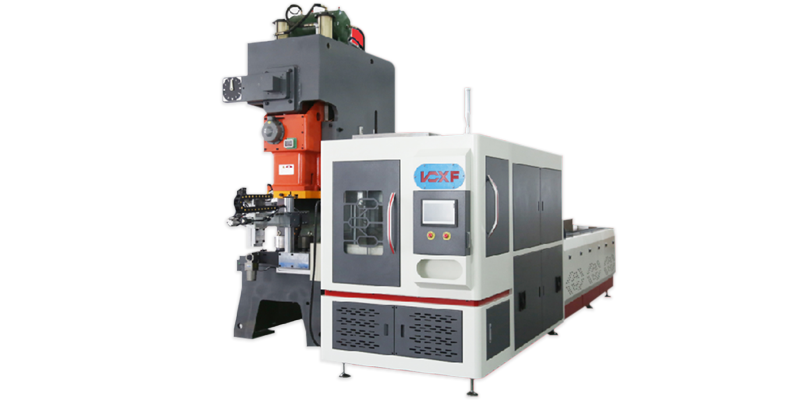
This equipment has an exquisite appearance and is highly integrated: it integrates feeding, heating,...
View More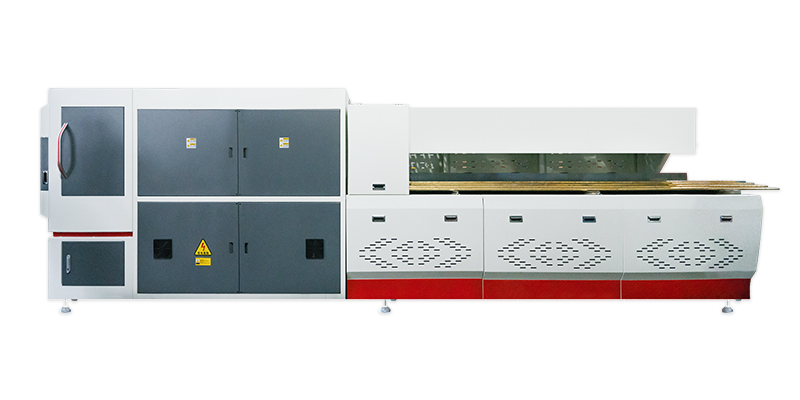
This equipment has an exquisite appearance and is highly integrated: it integrates feeding, heating,...
View MoreCopyright © Taizhou Huanlian Technology Co., Ltd. Rights Reserved.
Sale Hot Forging Machine Factory

