


 русский
 عربى
عربى
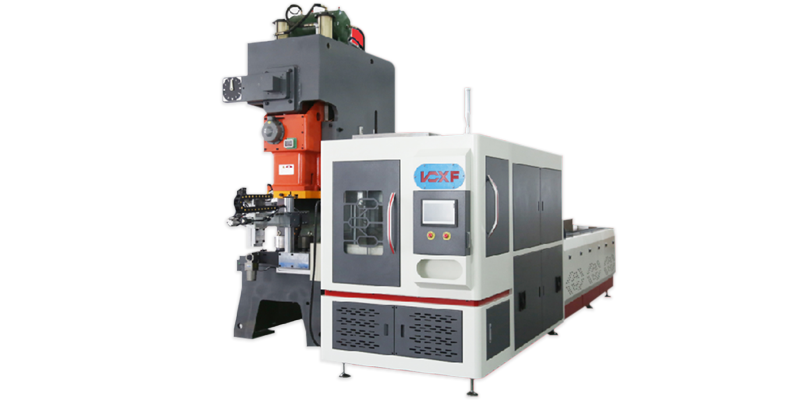
80T/125T Fully Automatic Hot Forging All-In-One Machine
This equipment has an exquisite appearance and is highly integrated: it integrates feeding, heating,...
View MoreBrass forging factories face constant pressure to maintain stable production, reduce downtime, and control tooling costs. Die service life directly affects production efficiency because worn dies cause dimensional deviation, flash defects, rough surfaces, and higher rejection rates. Modern production lines equipped with Smart Brass Forging Machinery are helping manufacturers extend tooling performance through precise temperature control, automated stroke adjustment, and real-time monitoring.
A high-output Brass Hot Die Forging Machine can operate at 20–70 strokes per minute depending on tonnage and production design, placing enormous thermal and mechanical stress on forging dies. Industrial forging systems ranging from 250 tons to 800 tons are commonly used in brass component manufacturing.
Most brass forging dies last between:
Smaller precision parts with stable temperatures often allow longer die life. Large brass fittings with deep cavities or complex geometries shorten die durability due to higher stress concentration.
Typical ranges include:
| Production Type | Estimated Die Life |
| Small plumbing fittings | 80,000–150,000 cycles |
| Brass electrical parts | 60,000–120,000 cycles |
| Automotive brass components | 40,000–90,000 cycles |
| Heavy brass valves | 20,000–60,000 cycles |
Production stability matters more than theoretical capacity. A well-maintained forging line often doubles tooling lifespan compared with poorly controlled equipment.
Die steel quality remains one of the largest determining factors.
Common materials include:
H13 steel remains widely used because it balances:
Heat treatment hardness normally falls between HRC 46–52 for brass forging dies.
Excessively hard dies may crack early. Softer dies wear rapidly. Balanced hardness is critical.
At our company, properly heat-treated die materials combined with controlled forging pressure help customers reduce premature cracking and cavity collapse.
Thermal cycling continuously damages forging dies.
Brass billets generally heat between:
Die surfaces may repeatedly experience sudden heating and cooling during production. These temperature swings create:
Advanced forging systems now use:
Research into AI-assisted forging control also shows improved microstructural stability and temperature consistency in hot forging operations.
Stable thermal management can extend die life by 20–40%.
Poor lubrication rapidly destroys expensive dies.
High-performance graphite-based lubricants help:
Automatic spray systems installed on modern forging lines create more uniform lubrication compared with manual spraying.
Several customers using automated lubrication on our equipment reported:
Uneven lubrication commonly causes localized overheating near cavity edges.
Unstable forging pressure damages tooling quickly.
Modern forging presses may operate from:
Industrial brass forging presses also vary between 17 and 70 strokes per minute depending on machine structure and application.
Older mechanical presses sometimes generate:
These conditions accelerate die cracking.
Newer CNC-controlled forging systems provide:
Hydromec electronic forging presses, for example, introduced programmable control solutions aimed at improving forging quality and production efficiency.
At our company, machine rigidity and guide precision remain major design priorities because stable forging motion directly protects expensive tooling investments.
Poor die design shortens lifespan even with premium materials.
Critical design factors include:
Sharp corners create concentrated stress points that often crack first.
Modern CAD/CAM die development combined with high-speed machining technology improves die surface quality and stress distribution. Academic studies on forging die machining also emphasise the importance of optimised geometry and machining strategy.
Many factories now use simulation software to predict:
Predictive analysis reduces costly die redesign cycles.
Production teams should monitor several warning signals:
Small thermal cracks gradually expand under repeated impact.
Forged parts begin exceeding tolerance limits.
Worn cavities create excess flash material.
Cavity erosion damages part's appearance.
Overheated or damaged die surfaces increase adhesion.
Ignoring these signs often leads to catastrophic die failure that stops production entirely.
Preventive maintenance is far cheaper than emergency die replacement.
Recommended maintenance practices include:
Many successful forging plants inspect dies every:
Small repairs performed early often prevent complete die replacement later.
Digital manufacturing technologies continue transforming forging production.
Modern Smart Brass Forging Machinery increasingly integrates:
These technologies reduce:
At our company, we continue improving automation compatibility for customers seeking longer die service life and more stable forging output.
This equipment has an exquisite appearance and is highly integrated: it integrates feeding, heating,...
View More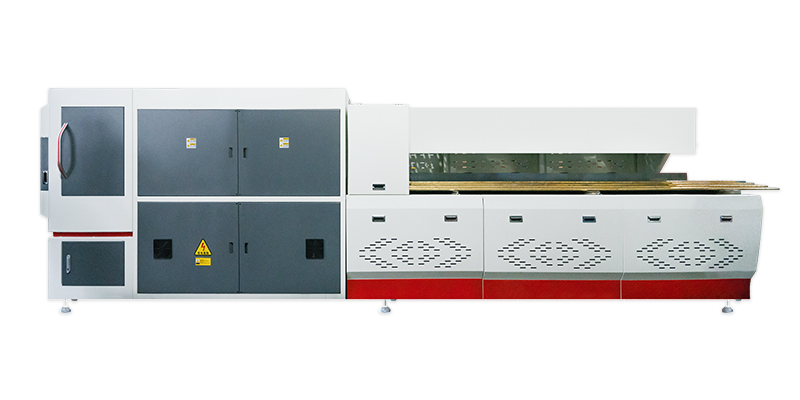
This equipment has an exquisite appearance and is highly integrated: it integrates feeding, heating,...
View MoreCopyright © Taizhou Huanlian Technology Co., Ltd. Rights Reserved.
Sale Hot Forging Machine Factory

