


 русский
 عربى
عربى
80T/125T Fully Automatic Hot Forging All-In-One Machine
This equipment has an exquisite appearance and is highly integrated: it integrates feeding, heating,...
View MoreAutomation is rapidly reshaping the forging industry, especially in areas that were traditionally dependent on manual labor. Tasks such as billet transfer, die loading, and part removal once required significant human effort under high-temperature conditions. Today, Fully Automatic Forging Machines and advanced Hot Metal Forging Equipment are redefining how these operations are performed.
The question is no longer whether automation can be applied, but rather how far it can go in replacing manual handling—and what limitations remain.
Manual Handling: A Traditional Bottleneck
Hot forging has historically relied on skilled workers to manage red-hot materials, often exceeding 1000°C. These tasks include:
Transporting heated billets between furnace and press
Positioning materials into die cavities
Removing forged parts for cooling or trimming
Such operations are physically demanding and expose workers to safety risks. Research highlights that manual handling of hot workpieces increases both process time and accident potential in forging environments .
At the same time, manual processes introduce variability. Human fatigue, inconsistent positioning, and reaction delays can all affect product quality.
What Automation Already Replaces
A large portion of manual handling tasks has already been replaced by automated systems in modern forging lines.
1. Billet Transfer Systems
Robotic arms and manipulators now move heated billets directly from furnaces to presses within seconds. This reduces heat loss and maintains forging temperature stability.
2. Precision Positioning
Automated systems place billets into dies with consistent accuracy, eliminating alignment errors caused by human operation. This improves dimensional consistency and reduces defect rates.
3. Continuous Operation
Automated forging lines can operate continuously without fatigue. Production systems can run 24/7, significantly increasing output capacity .
4. Hazardous Task Elimination
High-risk steps—such as handling glowing metal or working near press impact zones—are now performed by machines, reducing workplace injuries.
In many cases, productivity improvements are substantial. Automated systems can increase output rates dramatically, with some operations reaching thousands of parts per hour depending on application .
Key Advantages of Automation in Forging
A deeper look reveals why automation adoption continues to expand:
Consistency: Machines follow programmed parameters, ensuring repeatable results
Cycle Time Reduction: Robotic handling can cut transfer time by up to 40%
Labor Optimization: Fewer operators are required for repetitive tasks
Safety Enhancement: Reduced exposure to heat, heavy loads, and moving equipment
Taizhou Huanlian Technology Co., Ltd. integrates automated handling modules into its forging systems, helping manufacturers achieve stable throughput while minimizing operator involvement in high-temperature zones.
Where Manual Handling Still Exists
Despite these advances, automation does not eliminate the need for human involvement.
Complex or Variable Tasks
Forging operations involving small batch sizes or irregular geometries still rely on manual adjustments. Robots perform ideally in repetitive, high-volume environments.
Setup and Programming
Automated systems require configuration, calibration, and monitoring. Skilled technicians are needed to:
Program robotic paths
Adjust process parameters
Troubleshoot system errors
Maintenance Requirements
Automation introduces additional components—sensors, actuators, control systems—that require ongoing maintenance. Equipment downtime due to technical faults remains a consideration.
Integration Challenges
Replacing manual handling is not only a technical decision but also an operational one.
Initial Investment: Automated systems involve higher upfront costs
System Integration: Existing forging lines may require redesign to accommodate robotics
Workforce Transition: Operators must be trained to manage automated systems rather than perform manual tasks
Industry data shows that automation is often introduced gradually, combining manual and automated processes rather than replacing everything at once .
The Future: Collaboration, Not Replacement
Automation in hot forging is moving toward a hybrid model. Instead of completely replacing human labor, it is redefining roles:
Workers shift from physical handling to supervision and quality control
Engineers focus on process optimization and system efficiency
Automation handles repetitive, high-risk tasks
Fully Automatic Forging Machines will continue to evolve, integrating AI-based monitoring, adaptive control systems, and smarter robotics capable of handling more complex operations.
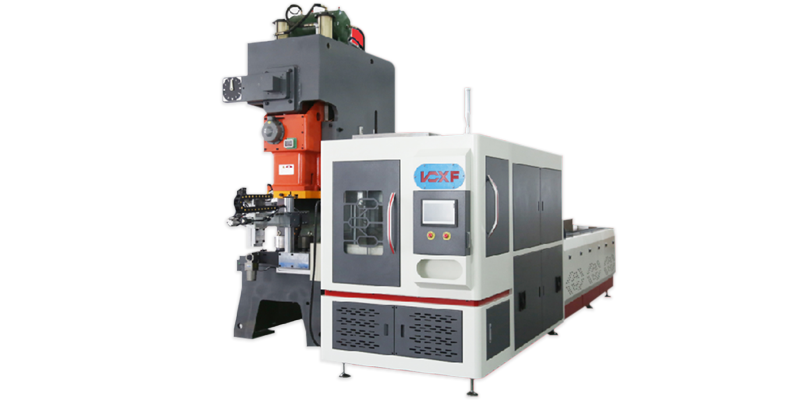
This equipment has an exquisite appearance and is highly integrated: it integrates feeding, heating,...
View More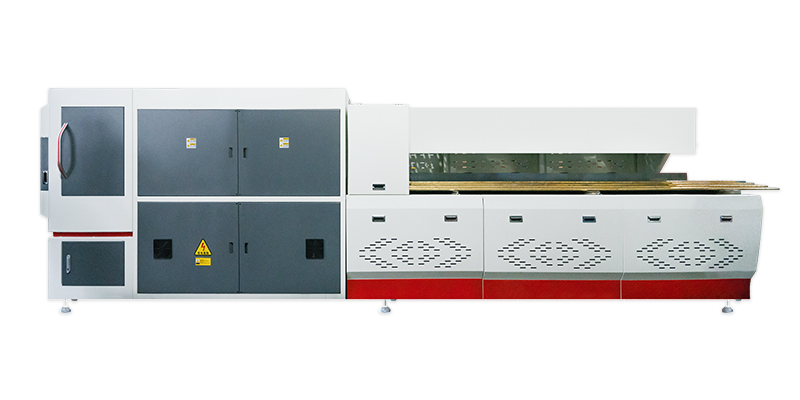
This equipment has an exquisite appearance and is highly integrated: it integrates feeding, heating,...
View MoreCopyright © Taizhou Huanlian Technology Co., Ltd. Rights Reserved.
Sale Hot Forging Machine Factory

