


 русский
 عربى
عربى
80T/125T Fully Automatic Hot Forging All-In-One Machine
This equipment has an exquisite appearance and is highly integrated: it integrates feeding, heating,...
View MoreManufacturing companies continue to seek practical solutions that support efficient production workflows and improved process coordination. Hot Forging All-In-One Machinery has become an important option for manufacturers looking to integrate multiple forging operations within a single production system. Alongside these developments, Brass Valve Automation Equipment is helping downstream assembly processes become more organized and connected, creating a smoother transition from component production to finished product manufacturing.
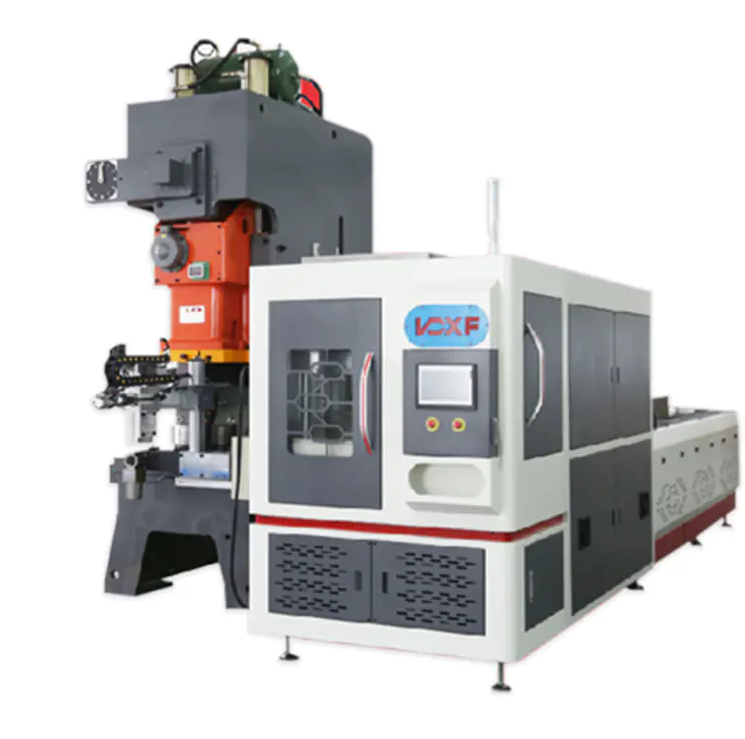
Changing Requirements in Modern Manufacturing
As production demands become more diverse, manufacturers are placing greater emphasis on process integration and workflow efficiency. Traditional forging operations often involve separate stages for material preparation, heating, forming, and handling. Managing these processes across multiple pieces of equipment can increase production complexity.
Hot Forging All-In-One Machinery addresses this challenge by combining key manufacturing stages into a unified workflow. This approach allows production activities to be coordinated more effectively while supporting stable operational routines.
Understanding Integrated Forging Systems
Integrated forging equipment is designed to connect multiple production functions within a single system. Rather than relying on independent machines for each process, manufacturers can manage several stages through a coordinated production line.
Material Feeding and Heating
The forging process begins with material preparation. Automated feeding systems help ensure that raw materials are delivered consistently to heating stations.
Heating systems, including induction heating solutions, prepare metal for the forging process under controlled conditions. Integrating feeding and heating operations helps establish a smoother production sequence before forming begins.
Forging and Forming Operations
After heating, materials move into forging stations where components are shaped according to production requirements. Hot Forging All-In-One Machinery allows these operations to be coordinated within the same workflow, reducing the need for additional transfers between separate production areas.
This arrangement can help manufacturers maintain organized production schedules and improve process continuity.
Automation in Forging Production
Automation plays an increasingly important role in modern forging facilities. Automated handling equipment can support the movement of materials and finished components throughout the production process.
Robotic loading systems, transfer devices, and conveyors help transport products between manufacturing stages. By integrating these functions into a unified system, manufacturers can improve workflow coordination and reduce dependence on manual handling.
Digital control systems are also commonly incorporated into Hot Forging All-In-One Machinery. These technologies support equipment synchronization, operational monitoring, and process management throughout production activities.
Benefits for Component Manufacturing
Many industries rely on forged components for products such as valves, fittings, connectors, and mechanical parts. Integrated forging systems help support the production of these components by organizing multiple manufacturing stages within a connected workflow.
The ability to coordinate heating, forging, and handling operations can contribute to smoother production routines. Manufacturers may also benefit from simplified workflow management and improved visibility across different production stages.
Supporting Downstream Valve Production
Forged components often serve as the foundation for later assembly operations. In valve manufacturing, forged brass bodies are typically processed further before final assembly and testing.
This is where Brass Valve Automation Equipment becomes an important complement to forging technology. Automated valve production systems can handle component assembly, inspection, testing, and packaging within a coordinated manufacturing environment.
By connecting forging output with automated assembly processes, manufacturers can establish a more streamlined production chain from raw material processing to finished valve products.
Production Monitoring and Process Control
Modern manufacturing systems increasingly rely on digital technologies to support production management. PLC-based control systems are widely used in both Hot Forging All-In-One Machinery and Brass Valve Automation Equipment.
These systems allow operators to monitor equipment performance, track production activities, and manage workflow adjustments when required. Access to operational information can support maintenance planning and overall production organization.
Considerations When Evaluating Equipment
Selecting integrated manufacturing equipment involves reviewing production goals, product requirements, and facility layouts. Manufacturers often consider factors such as process compatibility, workflow design, and future production plans before making equipment decisions.
Hot Forging All-In-One Machinery provides a practical solution for coordinating multiple forging operations within a unified system, while Brass Valve Automation Equipment supports efficient assembly and testing workflows. Together, these technologies help manufacturers create connected production environments that align with modern manufacturing requirements and evolving market demands.
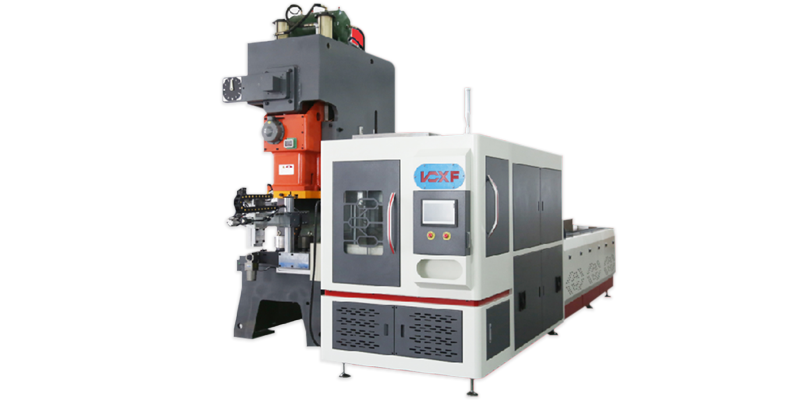
This equipment has an exquisite appearance and is highly integrated: it integrates feeding, heating,...
View More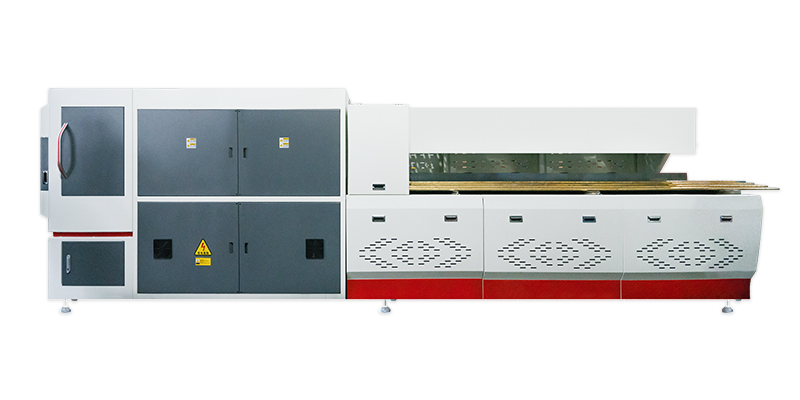
This equipment has an exquisite appearance and is highly integrated: it integrates feeding, heating,...
View MoreCopyright © Taizhou Huanlian Technology Co., Ltd. Rights Reserved.
Sale Hot Forging Machine Factory

